• Skip to main content
  • Skip to footer

SOHMA: The Path to Tai Chi & Qi Gong Mastery

SOHMA (School of Healing Martial Arts): The Path to Tai Chi & Qi Gong Mastery. Transform your health with expert training. Join our community and start today.

  • Tai Chi
    • Tai Chi Benefits
    • Tai Chi Instructors
    • Online Tai Chi Certification Program
  • Physical Medicine
    • Chiropractic Care
      • VA Authorized Care
      • Sports Medicine
      • Digital X-Rays
    • Physiotherapy
    • Spinal Decompression
    • Laser Therapy
    • Shockwave Therapy/Piezowave
    • Cupping Therapy
    • Acupuncture
    • Herbal Pharmacy
    • VA Authorized Care
  • Blogs
  • About
    • Our Providers
    • Tai Chi Instructors
  • Contact Us

Dr. Daniel Hoover

The Role of Rest and Recovery in Tai Chi Skill Development

April 21, 2026 by Dr. Daniel Hoover

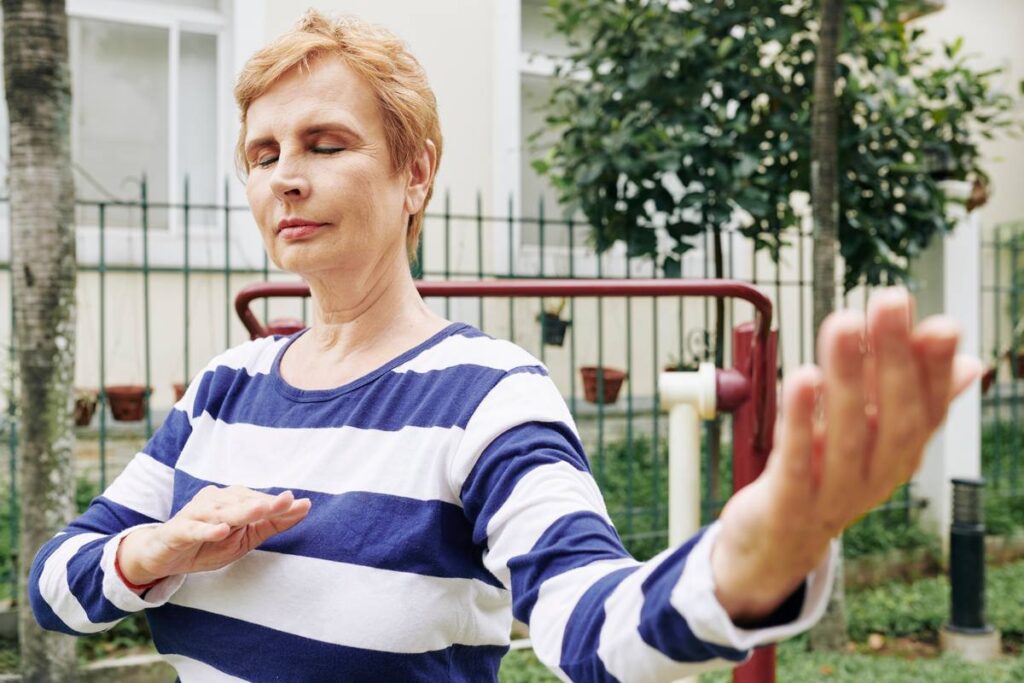
Tai Chi is often perceived as gentle, slow, and non-strenuous, leading some practitioners to believe that rest and recovery are less important than in more physically demanding disciplines. In reality, rest plays a critical role in Tai Chi skill development. Because Tai Chi works deeply with the nervous system, connective tissue, and subtle coordination, adequate recovery is not optional—it is essential. Progress emerges not only from practice itself, but from the space between practice sessions, where integration and refinement occur.

One of the most important aspects of rest in Tai Chi is nervous system recovery. Tai Chi trains awareness, balance, timing, and relaxation under movement. These qualities rely heavily on the nervous system’s ability to process sensory information and regulate muscle tone. When practice is too frequent or mentally strained, the nervous system can become overstimulated, leading to dull sensitivity, stiffness, or fatigue. Rest allows neural pathways to reorganize and strengthen, enabling smoother transitions, clearer intent, and more refined responses when practice resumes.

Closely related is the need to avoid overtraining, a concept often underestimated in internal arts. Overtraining in Tai Chi does not always show up as obvious physical soreness. Instead, it may appear as loss of relaxation, mental fog, irritability, or a feeling of heaviness in movement. Practicing through these signs can reinforce poor habits, such as excess tension or forced control. Strategic rest helps prevent this downward spiral, ensuring that practice remains aligned with Tai Chi’s core principles of ease, efficiency, and softness.

Rest in Tai Chi does not always mean complete inactivity. One of the most effective forms of recovery is integrating stillness practices. Standing meditation, seated breathing, and quiet awareness exercises allow the body to settle while maintaining connection and intent. These practices deepen internal awareness without placing demands on coordination or strength. Stillness helps practitioners sense alignment, release chronic tension, and integrate lessons from movement practice at a deeper level. In many cases, breakthroughs in form quality emerge not during movement, but during moments of quiet reflection.

Another often-overlooked factor in recovery is sleep and performance. Sleep is when the body consolidates motor learning, regulates hormones, and repairs tissues. Because Tai Chi emphasizes fine motor control and subtle shifts in balance, quality sleep directly influences progress. Poor sleep can dull proprioception, slow reaction time, and increase emotional reactivity, all of which interfere with relaxed, mindful practice. Practitioners who prioritize sleep often find that movements feel more coordinated and natural, even without increasing practice time.

Rest also supports the longevity of practice, a central value in Tai Chi tradition. Tai Chi is meant to be practiced for decades, evolving with the practitioner’s life rather than burning them out. Ignoring recovery may lead to chronic tension, joint irritation, or mental fatigue, which can shorten a practitioner’s journey. By balancing effort with rest, practitioners protect their health and preserve their enthusiasm for the art. This balance allows Tai Chi to remain a source of vitality rather than obligation.

Importantly, rest encourages a deeper understanding of Tai Chi’s philosophy. The art teaches balance between yin and yang—activity and stillness, effort and release. Rest is not a break from practice; it is part of the practice. Learning when to pause, when to soften, and when to step back mirrors the principles applied within the movements themselves. This awareness cultivates wisdom as much as skill.

In the long run, Tai Chi progress depends on rhythm rather than intensity. Consistent practice supported by adequate rest allows skills to mature organically. Movements become more efficient, the mind becomes calmer, and the body responds with greater harmony. By honoring rest and recovery, practitioners ensure that their Tai Chi remains sustainable, deeply integrated, and capable of supporting health and growth throughout a lifetime.

Dr. Daniel Hoover, DC, LAc, MH, CCSP®, integrates a rare fusion of clinical expertise and martial mastery to elevate the health of his patients and students. As a Doctor of Chiropractic, Licensed Acupuncturist, and 5th degree black belt in Shaolin Kempo, Dr. Hoover serves as the Chief Tai Chi Chuan instructor at the School of Healing Martial Arts™. His journey as an Ironman and Master Herbalist informs his unique understanding of how the body thrives under disciplined practice. To expand his impact beyond the local clinic, Dr. Hoover developed online Tai Chi courses, making these traditional healing arts accessible for any wellness journey. If you are ready to begin, we invite you to explore Tai Chi Mastery under the expert guidance of Dr. Daniel Hoover.

Filed Under: Tai Chi

How to Build a Tai Chi Habit That Lasts for Life

April 16, 2026 by Dr. Daniel Hoover

Many people begin Tai Chi with enthusiasm, only to see their practice fade as schedules change, motivation fluctuates, or progress feels slow. Yet the greatest benefits of Tai Chi—deep skill, internal strength, and lasting well-being—come from years of consistent practice. Building a Tai Chi habit that lasts for life requires more than inspiration; it requires intelligent structure, adaptability, and an understanding of how habits actually form.

Motivation vs. Discipline: Understanding the Difference

Motivation is emotional and temporary. Discipline is structural and reliable. Most people begin Tai Chi motivated by curiosity, health goals, or inspiration from a teacher. Over time, however, motivation naturally rises and falls.

Long-term practitioners do not rely on motivation alone. Instead, they create systems that support practice even on days when enthusiasm is low. Discipline in Tai Chi does not mean forcing oneself harshly—it means removing friction and making practice the default choice.

When practice is structured into daily life, consistency no longer depends on mood.

Designing an Environment That Supports Practice

Environment plays a powerful role in habit formation. If practicing Tai Chi requires excessive preparation or decision-making, it becomes easier to skip.

Simple environmental design strategies include:

  • Designating a specific space for practice, even if small
  • Keeping practice clothing or shoes readily available
  • Practicing at the same time each day when possible
  • Reducing distractions in the practice area

When the environment supports practice, willpower becomes less necessary.

Starting Small to Build Consistency

One of the most common reasons habits fail is overcommitment. Practicing for an hour a day sounds admirable, but it often becomes unsustainable.

A lifelong Tai Chi habit is built by starting with a manageable commitment—often as little as 10–15 minutes per day. Once consistency is established, duration can expand naturally without resistance.

Practitioners who prioritize consistency over intensity are far more likely to maintain their practice for decades.

Accountability Systems That Actually Work

Accountability does not need to be rigid or punitive. Effective accountability systems gently reinforce consistency and provide encouragement.

Examples include:

  • Practicing with a partner or group
  • Checking in with a teacher or mentor
  • Keeping a simple practice log
  • Participating in structured online communities or programs

Knowing that practice is seen or supported by others increases follow-through and reduces isolation.

Tracking Progress Without Obsession

Tracking progress helps reinforce habits by making improvement visible. However, in Tai Chi, progress is often subtle and non-linear.

Effective tracking focuses on observations rather than judgments. Practitioners might note:

  • Increased ease in movement
  • Improved balance or stability
  • Reduced tension or pain
  • Greater mental clarity

Avoid tracking solely through external performance. Internal changes often precede visible skill improvements.

Adapting Practice Over Time

A Tai Chi habit lasts only if it adapts to changing circumstances. Life transitions—such as new jobs, injuries, or family responsibilities—require flexibility.

Rather than abandoning practice during challenging periods, practitioners can:

  • Shorten sessions
  • Shift focus to standing or gentle movement
  • Emphasize breath and awareness
  • Replace form practice with foundational drills

Adaptability preserves continuity and prevents long gaps that are difficult to restart.

Removing the Pressure of Perfection

Perfectionism is a silent habit killer. Many practitioners skip practice because they feel they cannot practice “properly” that day.

Tai Chi does not require ideal conditions. Practicing imperfectly is far better than not practicing at all. Even brief, gentle sessions maintain continuity and reinforce the identity of being a practitioner.

Long-term mastery emerges from accumulation, not flawlessness.

Identity-Based Habits in Tai Chi

The most durable habits are tied to identity. When practitioners see themselves as “someone who practices Tai Chi,” practice becomes part of who they are rather than something they occasionally do.

This identity forms through repetition. Each session—no matter how short—reinforces the sense of belonging to the practice.

Why Lifelong Practice Changes Everything

A lifelong Tai Chi habit does more than improve movement. It shapes how practitioners regulate stress, relate to their bodies, and navigate change. Over time, Tai Chi becomes a stabilizing force rather than a scheduled activity.

By prioritizing consistency, designing supportive environments, and allowing practice to evolve, Tai Chi becomes sustainable for decades.

A Tai Chi habit that lasts for life is not built through force or intensity. It is built through patience, structure, and a deep respect for the long path of internal development.

Dr. Daniel Hoover, DC, LAc, MH, CCSP®, integrates a rare fusion of clinical expertise and martial mastery to elevate the health of his patients and students. As a Doctor of Chiropractic, Licensed Acupuncturist, and 5th degree black belt in Shaolin Kempo, Dr. Hoover serves as the Chief Tai Chi Chuan instructor at the School of Healing Martial Arts™. His journey as an Ironman and Master Herbalist informs his unique understanding of how the body thrives under disciplined practice. To expand his impact beyond the local clinic, Dr. Hoover developed online Tai Chi courses, making these traditional healing arts accessible for any wellness journey. If you are ready to begin, we invite you to explore Tai Chi Mastery under the expert guidance of Dr. Daniel Hoover.
Filed Under: Uncategorized

Why Consistency Matters More Than Talent in Tai Chi

April 14, 2026 by Dr. Daniel Hoover

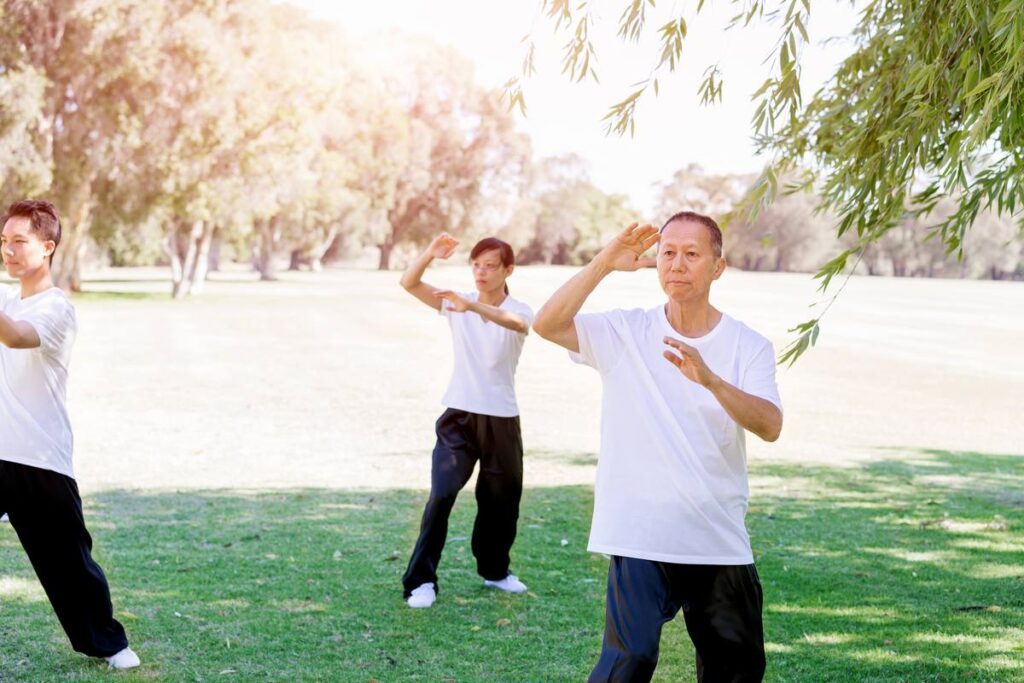
In Tai Chi, progress is often misunderstood. Beginners may assume that flexibility, coordination, or a natural athletic background will determine how far someone can go. While these traits can offer a small initial advantage, experienced practitioners know a deeper truth: consistency matters far more than talent. Tai Chi is not a practice that rewards bursts of effort or occasional brilliance. It rewards those who return to the practice again and again, patiently allowing change to unfold over time.

At its core, Tai Chi is a process of retraining the nervous system. Every slow movement, weight shift, and spiral is an opportunity for neural adaptation. When you practice consistently, your brain gradually refines how it communicates with your body. Balance improves, reactions become calmer, and unnecessary tension begins to fade. These changes do not happen through intellectual understanding alone; they require repeated physical experience. A naturally “talented” student who practices sporadically will always be outpaced by a steady student who practices regularly, even if only for short periods.

Closely related to neural adaptation is muscle memory, though in Tai Chi this concept extends beyond simple muscular repetition. Tai Chi develops what is often called embodied intelligence—the body’s ability to organize itself efficiently without conscious effort. Consistent practice allows movements to sink below the level of thinking. Transitions become smoother, posture aligns naturally, and breathing synchronizes with motion. This kind of learning cannot be rushed. Skipping days or weeks forces the body to relearn what it has already begun to absorb, slowing progress and creating frustration.

One of the most powerful benefits of consistency is incremental progress. Tai Chi improvements are often subtle and cumulative. Unlike high-intensity workouts where results may be obvious within weeks, Tai Chi develops qualities such as sensitivity, internal connection, and structural integrity that reveal themselves gradually. Practicing regularly allows these small changes to compound. Over months and years, what once felt awkward becomes fluid, and what once required effort becomes effortless. Talent may create a smoother starting point, but consistency determines how far the path ultimately extends.

Consistency also plays a crucial role in overcoming discouragement. Every Tai Chi practitioner encounters plateaus—periods when progress seems invisible or when movements feel clumsy despite continued effort. These moments often cause talented but inconsistent students to quit, believing they have reached their limit. Consistent practitioners, however, learn to trust the process. By continuing to practice even when motivation dips, they develop resilience, patience, and humility. These qualities are not just psychological benefits; they directly enhance Tai Chi skill by softening the mind and body.

Another reason consistency outweighs talent is that Tai Chi is fundamentally about refinement rather than accumulation. The same forms, postures, and principles are revisited countless times. Each repetition reveals something new when approached with attention. This is mastery through repetition. Talent may allow someone to memorize a form quickly, but mastery comes from exploring it deeply—feeling weight transfer more clearly, releasing subtle tension, or discovering better alignment. Without consistent repetition, these insights remain inaccessible.

Consistency also nurtures a healthier relationship with effort. In Tai Chi, progress does not come from forcing improvement but from showing up with sincerity. Regular practice teaches practitioners to value presence over performance. This mindset gradually dissolves ego-driven comparisons and replaces them with curiosity and self-awareness. Ironically, this relaxed approach often leads to faster and more profound improvement than striving fueled by talent alone.

Over time, consistency reshapes identity. The practitioner no longer asks, “Am I good at Tai Chi?” but instead lives the practice as a natural part of daily life. Even short, consistent sessions reinforce alignment, calm the nervous system, and reconnect the body and mind. This continuity creates stability not only in movement but in emotional and mental states as well.

In the long view, Tai Chi is not about reaching a final destination but about cultivating an ongoing process of learning and self-regulation. Talent may open the door, but consistency keeps it open. Those who practice regularly—imperfectly, patiently, and with curiosity—inevitably surpass those who rely on natural ability alone. In Tai Chi, the quiet power of consistency is what transforms movement into skill, effort into ease, and practice into a lifelong path.

Dr. Daniel Hoover, DC, LAc, MH, CCSP®, integrates a rare fusion of clinical expertise and martial mastery to elevate the health of his patients and students. As a Doctor of Chiropractic, Licensed Acupuncturist, and 5th degree black belt in Shaolin Kempo, Dr. Hoover serves as the Chief Tai Chi Chuan instructor at the School of Healing Martial Arts™. His journey as an Ironman and Master Herbalist informs his unique understanding of how the body thrives under disciplined practice. To expand his impact beyond the local clinic, Dr. Hoover developed online Tai Chi courses, making these traditional healing arts accessible for any wellness journey. If you are ready to begin, we invite you to explore Tai Chi Mastery under the expert guidance of Dr. Daniel Hoover.

Filed Under: Tai Chi

How Long Should You Practice Tai Chi Each Day to See Real Progress?

April 9, 2026 by Dr. Daniel Hoover

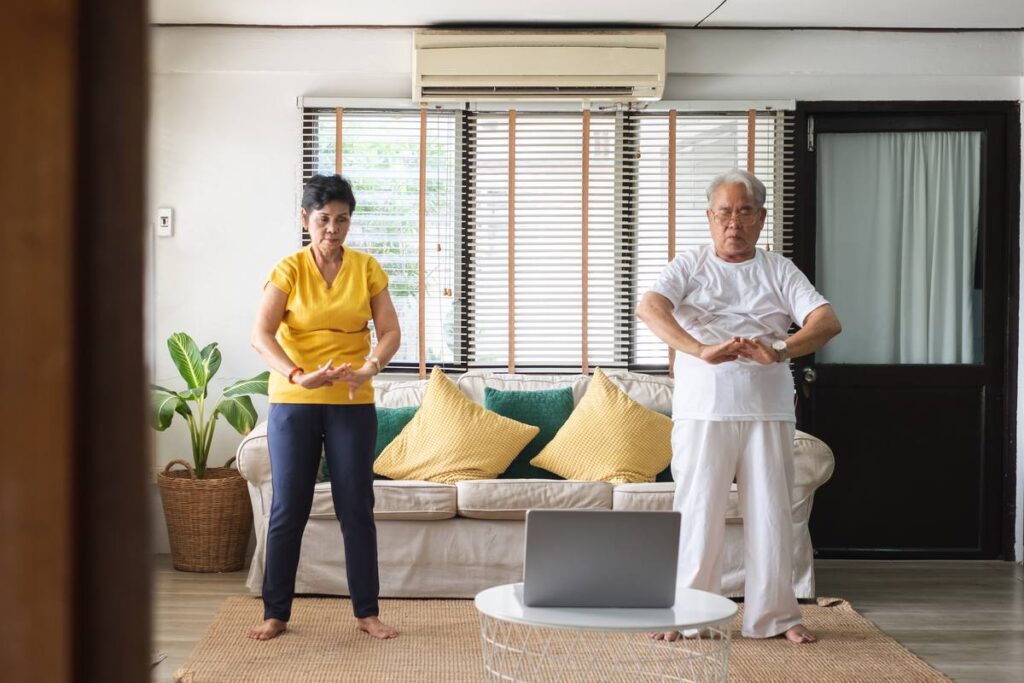
One of the most common, and most misunderstood, questions in Tai Chi training is how long daily practice should be in order to see meaningful results. Many practitioners assume that progress requires hours of daily effort, while others hope that occasional short sessions will be enough. The truth lies in understanding how Tai Chi develops skill, how the nervous system adapts, and how consistency and quality shape long-term progress.

The Minimum Effective Dose of Tai Chi Practice

Tai Chi does not follow the same rules as high-intensity physical training. Because it emphasizes coordination, awareness, and nervous system regulation, even relatively short sessions can be highly effective when practiced correctly.

For most practitioners, 20 to 30 minutes per day is the minimum effective dose to see steady improvement. This amount is sufficient to reinforce movement patterns, maintain sensitivity, and prevent regression. Below this threshold, progress becomes inconsistent, though benefits such as stress reduction may still occur. Practicing beyond the minimum does not automatically lead to faster improvement. What matters most is how the time is used.

Quality vs. Quantity: Why More Is Not Always Better

Tai Chi rewards quality of attention far more than volume of repetition. A focused 30-minute session with clear intent, listening awareness, and relaxed precision is far more effective than 90 minutes of distracted movement. Excessive practice without awareness often reinforces habits rather than refines skill. This can lead to stagnation, frustration, or even physical strain. Advanced practitioners often practice less time than beginners, but with significantly greater depth. 

High-quality practice includes:

  • Slow, deliberate movement
  • Clear weight shifts and alignment
  • Relaxed breathing
  • Continuous attention from beginning to end

When these elements are present, progress accelerates naturally.

The Power of Micro-Practice Sessions

One of the most underutilized tools in Tai Chi development is micro-practice. These are short sessions, often five to ten minutes, focused on a single skill or principle.

Micro-practice can include:

  • Standing alignment checks
  • Slow weight-shifting drills
  • A single posture repeated mindfully
  • Brief form segments with full attention

These short sessions are especially effective when added to a longer daily practice or used during busy days. They keep the nervous system engaged with Tai Chi principles and prevent long gaps between sessions. Over time, micro-practice compounds into significant improvement.

Preventing Burnout Through Intelligent Practice Length

Burnout in Tai Chi usually does not come from physical exhaustion, but from mental strain and unrealistic expectations. Practicing too long, too intensely, or with constant self-criticism can erode motivation. A sustainable practice length should leave practitioners feeling calm rather than drained. It should support a sense of grounding rather than agitation.

Mental clarity should be maintained rather than leading to fatigue. These outcomes indicate a balanced and effective practice duration. If practice consistently leaves someone feeling tense or depleted, the session is likely too long or unfocused. Reducing duration while improving quality often restores enthusiasm and progress.

How Practice Length Changes Over Time

The ideal daily practice duration evolves with experience. Beginners often benefit from slightly longer sessions to establish familiarity and routine. Intermediate practitioners refine efficiency and may shorten sessions while maintaining depth.

Advanced practitioners often cycle their practice length based on their current goals. Longer sessions may be used during periods of focused development, while shorter sessions support maintenance phases. Duration may also be reduced during times of stress or transition to avoid overload. This adaptability supports long-term consistency rather than rigid adherence to a fixed structure.

Long-Term Sustainability Matters More Than Short-Term Gains

Tai Chi is a lifelong practice. Progress is measured in years, not weeks. A daily routine that feels manageable, enjoyable, and meaningful will always outperform an ambitious routine that cannot be sustained.

Practicing 30 – 45 minutes daily for years produces far greater results than practicing two hours daily for a few months and then stopping. Sustainability ensures that improvements compound rather than reset.

Signs You Are Practicing the Right Amount

Rather than focusing solely on time, practitioners should observe the results of their practice. Effective daily practice leads to improved balance and coordination along with increased body awareness. It should also reduce unnecessary tension and support greater emotional regulation.

A clearer understanding of movement principles is another key indicator of progress. If these qualities are gradually improving, the current practice length is likely sufficient. Consistent outcomes are more important than rigid time targets. This approach supports sustainable development over time.

A Practical Recommendation

For most practitioners seeking real progress, it is effective to begin with 20 – 30 minutes of daily practice. Micro-practice sessions can be added as needed to reinforce learning. Duration should only increase if the quality of practice remains high. Consistency should be prioritized over intensity to support long-term improvement. 

Those training toward instructor-level skill may gradually extend to 45 – 60 minutes, but only when attention and relaxation are preserved.

Progress Comes From Consistency, Not Duration

There is no universal “correct” amount of Tai Chi practice. The right duration is the one that supports clarity, consistency, and long-term engagement. When practice time aligns with these principles, progress becomes inevitable.

In Tai Chi, doing just enough, done well, and done daily is more than enough to transform skill over time.

Dr. Daniel Hoover, DC, LAc, MH, CCSP®, integrates a rare fusion of clinical expertise and martial mastery to elevate the health of his patients and students. As a Doctor of Chiropractic, Licensed Acupuncturist, and 5th degree black belt in Shaolin Kempo, Dr. Hoover serves as the Chief Tai Chi Chuan instructor at the School of Healing Martial Arts™. His journey as an Ironman and Master Herbalist informs his unique understanding of how the body thrives under disciplined practice. To expand his impact beyond the local clinic, Dr. Hoover developed online Tai Chi courses, making these traditional healing arts accessible for any wellness journey. If you are ready to begin, we invite you to explore Tai Chi Mastery under the expert guidance of Dr. Daniel Hoover.

Filed Under: Tai Chi

Morning vs. Evening Tai Chi: Which Is Better for Skill Development?

April 7, 2026 by Dr. Daniel Hoover

One of the most practical—and surprisingly important—questions serious Tai Chi practitioners ask is whether it is better to practice in the morning or the evening. While Tai Chi can be practiced at any time of day, the timing of practice influences energy levels, mental state, nervous system regulation, and long-term skill development. Rather than there being a single “correct” answer, understanding how morning and evening practice affect the body and mind allows practitioners to optimize their training intentionally.

Energy Cycles and Circadian Rhythm

The human body operates on a circadian rhythm that governs energy, alertness, hormone release, and recovery. Tai Chi interacts directly with this rhythm because it regulates the nervous system rather than overstimulating it.

Morning practice aligns with the body’s natural rise in cortisol and alertness. At this time, the nervous system is transitioning from rest to activity. Tai Chi performed in the morning supports smooth activation without stress, helping practitioners establish alignment, coordination, and awareness early in the day.

Evening practice coincides with the body’s natural winding down. Energy is shifting inward, and the nervous system is preparing for rest. Tai Chi at this time emphasizes release, integration, and recovery rather than activation.

Both timeframes offer distinct developmental advantages.

Morning Tai Chi: Mental Clarity and Skill Encoding

Morning Tai Chi is especially effective for building technical skill and internal clarity. The mind is generally less cluttered, making it easier to maintain sustained attention and listening awareness.

Practicing in the morning helps:

  • Establish clear postural alignment before daily habits interfere
  • Improve focus and precision in form work
  • Reinforce fundamentals such as balance, intent, and structure
  • Set a calm, centered tone for the entire day

Because the nervous system is fresh, corrections and refinements tend to “stick” more effectively. Many advanced practitioners find that morning practice accelerates learning, particularly when refining subtle skills like weight shifting, intent, and coordination.

Evening Tai Chi: Relaxation and Stress Regulation

Evening Tai Chi excels at regulating stress and integrating the day’s accumulated tension. After hours of sitting, working, or managing emotional demands, the body often holds unnecessary stiffness and mental agitation.

Evening practice supports:

  • Releasing muscular and fascial tension
  • Calming the nervous system
  • Improving sleep quality
  • Integrating movement patterns learned earlier

Rather than pushing for precision, evening Tai Chi emphasizes softness, continuity, and ease. This makes it ideal for restorative practice and long-term sustainability.

Performance Optimization Through Timing

From a performance standpoint, timing Tai Chi practice strategically can dramatically improve results. Practitioners focused on skill development often benefit from separating “training” sessions from “integration” sessions.

Morning sessions are ideal for:

  • Technical drills
  • Slow, detailed form work
  • Standing practice and alignment refinement
  • Skill acquisition and correction

Evening sessions are ideal for:

  • Relaxed form repetition
  • Breath-focused movement
  • Gentle partner sensitivity exercises
  • Nervous system recovery

Using time of day intentionally allows practitioners to train harder without overloading the system.

Mental State: Alertness vs. Receptivity

Morning practice emphasizes alert awareness. This sharpens intent, listening skills, and internal organization. It is especially beneficial for practitioners training toward instructor-level competence, where clarity and consistency matter.

Evening practice emphasizes receptivity. The mind is less directive and more responsive. This can deepen embodied understanding and help practitioners feel movement rather than analyze it.

Both mental states are valuable. Skill matures most effectively when practitioners experience both.

Stress Regulation and Emotional Balance

Tai Chi’s impact on stress regulation changes depending on timing. Morning practice prevents stress accumulation by establishing calm baseline regulation. Evening practice actively discharges stress already present.

Practitioners dealing with high workloads or emotional strain often find evening Tai Chi essential for maintaining balance. Meanwhile, those training intensively benefit from morning practice to stabilize energy and focus.

Lifestyle Compatibility Matters More Than Perfection

While theory is useful, consistency matters more than ideal timing. A perfectly timed practice that happens once a week is less effective than a daily practice that fits seamlessly into life.

Some practitioners naturally function better in the morning, while others are more present in the evening. The best practice time is the one that supports regularity without strain.

Advanced practitioners often adjust timing seasonally or as life circumstances change.

Combining Morning and Evening Practice

For those able to practice twice daily, combining short morning and evening sessions can be transformative. Even 15–20 minutes in the morning for structure and 15–20 minutes in the evening for release creates balance.

This approach mirrors traditional training methods and supports both growth and recovery.

Which Is Better for Skill Development?

Morning Tai Chi is generally superior for technical skill development and refinement. Evening Tai Chi is superior for integration, relaxation, and longevity. Neither replaces the other.

True advancement comes from understanding how Tai Chi interacts with the body’s rhythms and using that knowledge intelligently. When practice timing aligns with intention, Tai Chi becomes not just a routine—but a powerful system for lifelong development.

Dr. Daniel Hoover, DC, LAc, MH, CCSP®, integrates a rare fusion of clinical expertise and martial mastery to elevate the health of his patients and students. As a Doctor of Chiropractic, Licensed Acupuncturist, and 5th degree black belt in Shaolin Kempo, Dr. Hoover serves as the Chief Tai Chi Chuan instructor at the School of Healing Martial Arts™. His journey as an Ironman and Master Herbalist informs his unique understanding of how the body thrives under disciplined practice. To expand his impact beyond the local clinic, Dr. Hoover developed online Tai Chi courses, making these traditional healing arts accessible for any wellness journey. If you are ready to begin, we invite you to explore Tai Chi Mastery under the expert guidance of Dr. Daniel Hoover.

Filed Under: Uncategorized

  • Page 1
  • Page 2
  • Page 3
  • Interim pages omitted …
  • Page 38
  • Go to Next Page »

Footer

Contact Us

SOHMA Integrative Medicine – Long Beach

Email

assistant@sohma.org

Follow Us on Instagram


WCAG

The Web Content Accessibility Guidelines (WCAG) defines requirements for designers and developers to improve accessibility for people with disabilities for websites, such as for SOHMA. It defines three levels of conformance: Level A, Level AA, and Level AAA. SOHMA is partially conformant with WCAG 2.1 level AA. Partially conformant means that some parts of the content do not fully conform to the accessibility standard.

Our goal here at SOHMA is to make our website accessible to all visitors; unfortunately, our goal for 100% accessibility is not yet complete. Our goal is to provide universal access to our website by following WCAG 2.0 (current WCAG 2.1) A, AA guidelines; however, this will be a work in progress.

Feedback

We welcome your feedback on the accessibility of SOHMA’s website. Please let us know if you encounter accessibility barriers on our website. We are here to help. You can reach us below at:

Email: assistant@sohma.org

Location: 2041 East St, Suite 1453, Concord, California, 94520, US

We try to respond to feedback within 5 business days.

sohma logo

Connect With Us

VA Authorized

SOHMA | Privacy Policy | Copyright © 2026

Designed by ITSOPRO