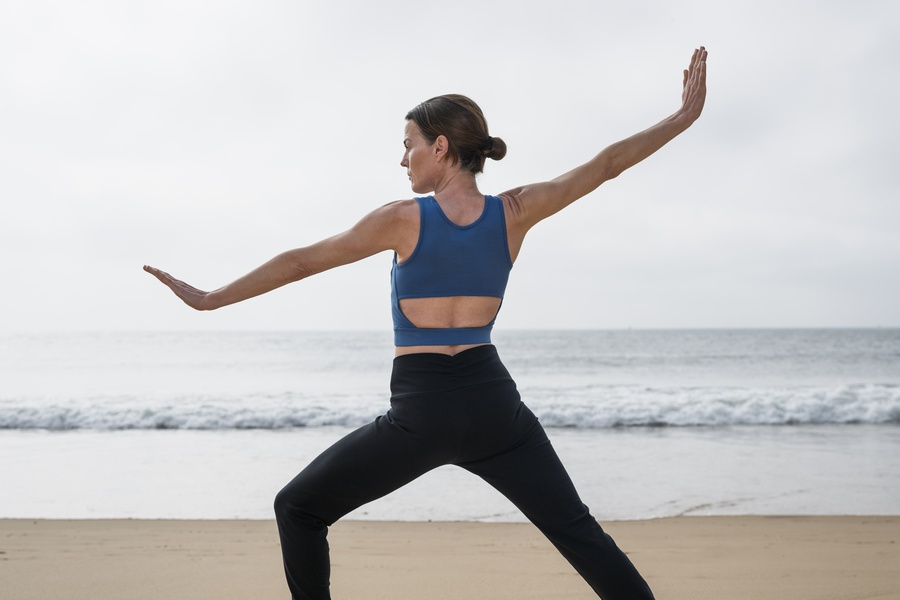
Midlife is a period of profound transition for many women. Physical changes, shifting energy levels, evolving roles, and emotional complexity often converge at the same time. During this stage, many women discover that the fitness and stress management strategies that once worked, no longer feel supportive. Tai Chi offers a different approach, one that emphasizes regulation and adaptability. Providing support for long-term resilience rather than intensity or control.
Tai Chi’s principles align closely with the needs of women navigating midlife transitions.
Nervous System Regulation
One of the most valuable ways Tai Chi supports women during midlife is through nervous system regulation. Hormonal changes can heighten stress responses, disrupt sleep, and amplify emotional reactivity. Tai Chi directly addresses these challenges by calming the nervous system through slow, intentional movement and breath awareness.
Tai Chi supports nervous system regulation by encouraging the body to shift into a parasympathetic, or “rest-and-digest,” state. Through slow and controlled movement, Tai Chi helps reduce chronic muscle tension that often develops in response to prolonged stress. The practice also improves awareness of physical and emotional changes, making it easier to recognize signs of stress before they escalate. Over time, this increased body awareness can contribute to better emotional regulation and recovery from stressful experiences. Together, these effects help create a greater sense of balance between the body and mind. With regular practice, this regulation helps stabilize mood, improve sleep quality, and create a greater sense of emotional steadiness.
Rather than suppressing stress, Tai Chi teaches the body how to downshift naturally.
Balance and Bone Density
Midlife is often when concerns about balance and bone health become more pressing. Tai Chi’s emphasis on standing practice, weight shifting, and controlled transitions makes it especially effective for addressing both. Tai Chi supports balance and bone health through a combination of controlled movement and sustained physical engagement. Its weight-bearing postures help strengthen the legs and hips, which are important for stability and long-term joint support. The practice also trains proprioception, or the body’s awareness of its position in space, improving overall movement accuracy.
In addition, Tai Chi enhances coordination by requiring smooth transitions and controlled changes in direction during movement. Together, these effects can improve physical stability and reduce the risk of falls with time. These skills reduce fall risk and encourage confidence in movement. While Tai Chi is gentle, the consistent loading of bones through standing and shifting stimulates bone maintenance without the risks associated with high-impact exercise.
Emotional Well-Being
Emotional fluctuations are a common feature of midlife, influenced by hormonal shifts, changing life priorities, and accumulated stress. Tai Chi offers a powerful framework for emotional regulation by integrating movement with mindfulness. Through regular practice, women can learn to observe emotions without becoming overwhelmed by them. Tai Chi also helps release tension stored in the body through slow, controlled movement and mindful breathing. Gradually, these practices can cultivate greater patience, emotional balance, and self-compassion.
Tai Chi’s slow pace creates space for emotional processing. Rather than pushing feelings aside, practitioners learn to move through them with awareness. This often leads to greater emotional clarity and a renewed sense of inner stability.
Energy Management
Many women in midlife report feeling depleted or inconsistent in their energy levels. Tai Chi addresses this not by demanding more output, but by teaching efficiency. Movement is guided by alignment, relaxation, and coordination rather than effort.
Tai Chi helps develop energy management skills by reducing unnecessary muscle tension during movement. The practice teaches practitioners to move from the center of the body rather than relying on isolated muscles for force and balance. Through continued development, Tai Chi encourages learning when to soften and conserve energy instead of pushing through tension unnecessarily. As a result, women often feel more energized after practice rather than exhausted. This efficient use of energy carries over into daily life, helping women meet responsibilities with less fatigue.
Sustainable Fitness for Long-Term Health
Perhaps the greatest strength of Tai Chi during midlife is its sustainability. Unlike high-intensity programs that may become unsustainable as the body changes, Tai Chi adapts easily to different needs and abilities.
Tai Chi offers low-impact movement that helps protect the joints while still improving strength and mobility. The intensity of the practice can be adjusted to fit different fitness levels without significantly reducing its benefits. Over time, Tai Chi continues to evolve with the practitioner, allowing the practice to adapt alongside changing physical and mental needs.
This makes Tai Chi an ideal companion through midlife and beyond. It supports strength, mobility, and emotional balance without placing excessive demands on the body.
A Practice That Meets Women Where They Are
Tai Chi does not ask women to fight change or reclaim a past version of themselves. Instead, it provides tools to navigate change skillfully. By improving nervous system regulation, balance, emotional health, and energy efficiency, Tai Chi supports women in building a strong and adaptable foundation for the years ahead.
Midlife transitions are not something to endure, they are an opportunity for refinement and growth. Tai Chi offers a steady, compassionate path through this stage, helping women move forward with confidence, clarity, and resilience.
Dr. Daniel Hoover, DC, LAc, MH, CCSP®, integrates a rare fusion of clinical expertise and martial mastery to elevate the health of his patients and students. As a Doctor of Chiropractic, Licensed Acupuncturist, and 5th degree black belt in Shaolin Kempo, Dr. Hoover serves as the Chief Tai Chi Chuan instructor at the School of Healing Martial Arts™. His journey as an Ironman and Master Herbalist informs his unique understanding of how the body thrives under disciplined practice. To expand his impact beyond the local clinic, Dr. Hoover developed online Tai Chi courses, making these traditional healing arts accessible for any wellness journey. If you are ready to begin, we invite you to explore Tai Chi Mastery under the expert guidance of Dr. Daniel Hoover.