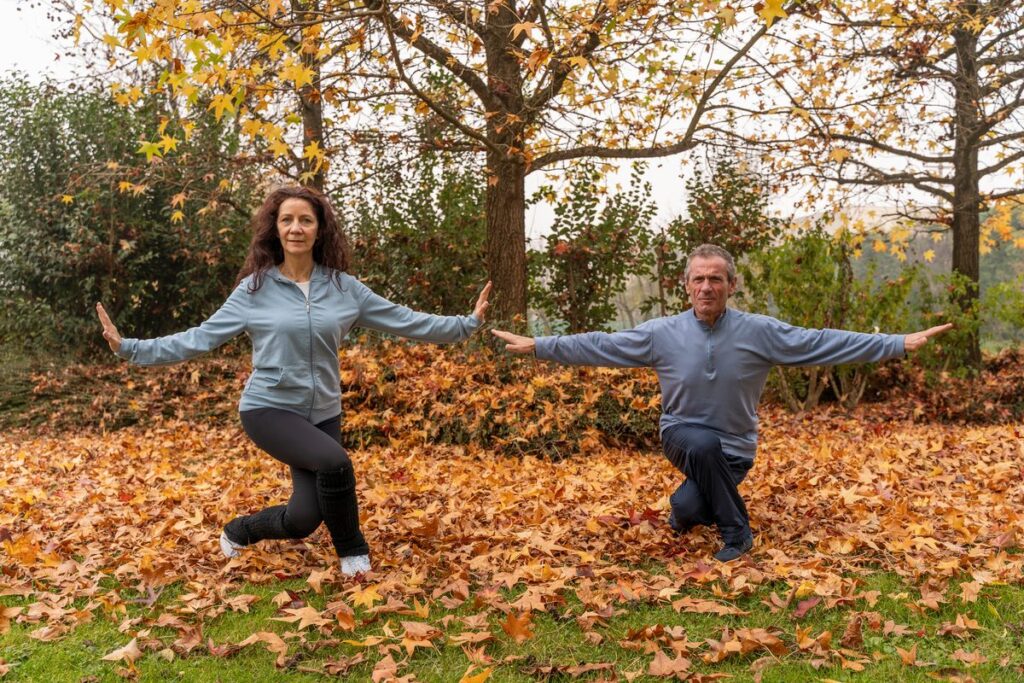
One of the most common questions among dedicated Tai Chi practitioners is not what to practice, but how to practice each day. While Tai Chi forms and techniques vary widely, advanced practitioners share a consistent approach to daily training. An ideal Tai Chi practice routine is not about duration or complexity—it is about structure, intention, and consistency. When these elements are aligned, progress becomes steady and sustainable.
The Purpose of a Daily Tai Chi Routine
A daily Tai Chi routine serves multiple purposes at once. It reinforces physical structure, sharpens awareness, regulates the nervous system, and deepens internal connection. Rather than exhausting the body, daily practice should leave practitioners feeling grounded, clear, and centered.
An effective routine balances refinement and integration. It should address fundamentals while allowing enough space for exploration and self-observation.
Opening: Establishing Stillness and Alignment
An ideal practice begins before movement starts. Standing quietly for several minutes allows practitioners to settle their attention, regulate breathing, and sense alignment. This initial stillness is not passive; it actively prepares the body and mind.
During this phase, practitioners observe posture, weight distribution, and tension patterns. Small adjustments made here improve the quality of everything that follows.
Joint Loosening and Preparatory Movements
After establishing stillness, gentle preparatory movements help awaken the joints and connective tissue. These movements are slow, circular, and relaxed. The goal is not stretching but opening pathways for smooth motion.
This phase supports longevity and reduces injury risk. It also helps practitioners transition from stillness into movement without abrupt effort.
Fundamental Movement Training
At the core of the daily routine is fundamental movement training. This includes weight shifting, stepping, turning, and basic postural transitions. Practicing these elements separately allows for precision and awareness.
Advanced practitioners often return to these basics daily. Refinement happens not by adding complexity, but by improving the quality of simple movements.
Form Practice With Intent
Form practice is where integration occurs. Rather than focusing on completing the entire sequence, practitioners prioritize continuity, balance, and intent. Quality always takes precedence over quantity.
Some days, practicing only part of a form with full attention is more beneficial than rushing through the entire sequence. Slower practice enhances listening awareness and internal coordination.
Stillness Within Movement
Throughout the form, practitioners cultivate a sense of stillness within motion. This means maintaining calm attention and structural integrity even as the body moves.
This internal stillness supports balance, reduces unnecessary effort, and deepens meditative aspects of the practice.
Optional Partner or Application Training
For those training at an advanced level, partner exercises or application work may be included. These sessions emphasize listening, adaptability, and timing rather than strength or speed.
Even brief partner practice can reveal insights that solo practice cannot. However, it should always be approached with awareness and sensitivity.
Closing: Integration and Reflection
Ending practice intentionally is just as important as beginning it. Gentle standing or seated stillness allows the nervous system to integrate what has been trained.
This closing phase helps practitioners reflect on sensations, patterns, and improvements without judgment. Over time, this reflection sharpens self-awareness and guides future practice.
Duration and Consistency
An ideal daily routine does not require hours of practice. Thirty to sixty minutes, practiced consistently, is sufficient for most practitioners. Shorter sessions done daily are far more effective than occasional long sessions.
Consistency builds familiarity, trust, and internal connection. It is the most reliable path to progress.
Adapting the Routine Over Time
As practitioners evolve, their routines naturally change. Some phases may become shorter or longer depending on current goals. The key is remaining responsive rather than rigid.
An ideal Tai Chi routine is alive—it adapts while preserving core principles.
Why Daily Structure Matters
Without structure, practice becomes inconsistent and unfocused. A well-designed daily routine provides direction while leaving room for discovery. It supports long-term development and prevents burnout.
For practitioners seeking depth, mastery, or instructor-level skill, an intentional daily routine is not optional—it is the foundation of meaningful Tai Chi practice.
Dr. Daniel Hoover, DC, LAc, MH, CCSP®, integrates a rare fusion of clinical expertise and martial mastery to elevate the health of his patients and students. As a Doctor of Chiropractic, Licensed Acupuncturist, and 5th degree black belt in Shaolin Kempo, Dr. Hoover serves as the Chief Tai Chi Chuan instructor at the School of Healing Martial Arts™. His journey as an Ironman and Master Herbalist informs his unique understanding of how the body thrives under disciplined practice. To expand his impact beyond the local clinic, Dr. Hoover developed online Tai Chi courses, making these traditional healing arts accessible for any wellness journey. If you are ready to begin, we invite you to explore Tai Chi Mastery under the expert guidance of Dr. Daniel Hoover.