How Responsible Teaching Shapes Students, Deepens Practice, and Preserves the Art
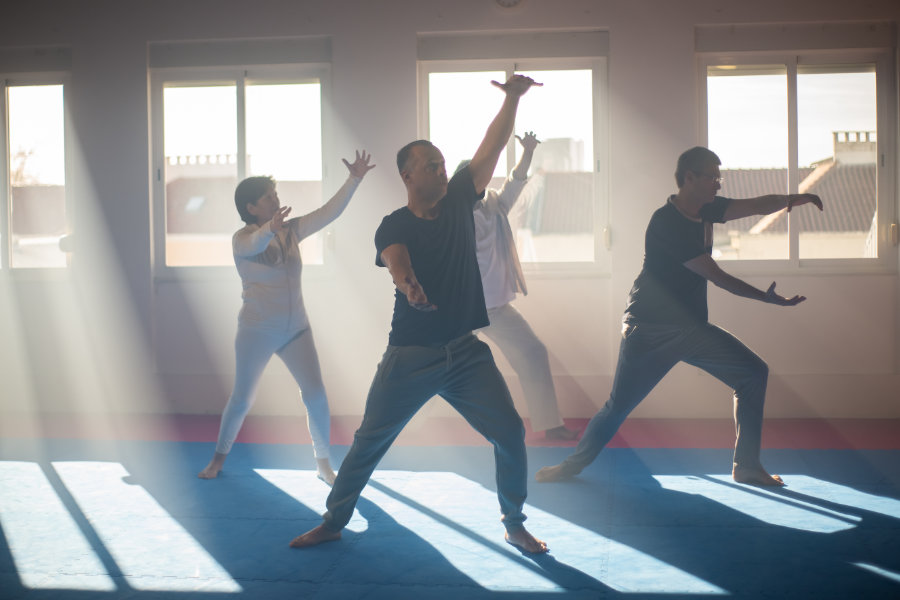
Teaching Tai Chi is not merely an extension of personal practice—it is a role that carries influence, responsibility, and lasting impact. Every Tai Chi teacher, whether leading a small community class or training future instructors, shapes how students experience the art and how Tai Chi itself evolves over time.
This pillar article explores Tai Chi teaching as a path of leadership and stewardship, bringing together three essential dimensions:
- Creating transformational learning experiences for students
- Upholding ethical responsibility and professional standards
- Using teaching as a catalyst for deepening one’s own practice
Together, these elements define what it means to teach Tai Chi with integrity—and what kind of legacy a teacher leaves behind.
Teaching Tai Chi Is an Act of Leadership
Leadership in Tai Chi does not resemble hierarchy, dominance, or control. It is expressed through presence, consistency, and example. Students learn as much from how a teacher moves, listens, and responds as from what they say.
Tai Chi teachers lead by:
- Modeling calm and regulation under pressure
- Demonstrating patience and clarity in instruction
- Upholding standards without ego
- Creating learning environments built on trust
This form of leadership is subtle but powerful. It shapes student behavior, expectations, and long-term commitment far more effectively than authority alone.
Creating Transformational Student Experiences
Technical instruction alone does not transform students. Transformation occurs when teaching meets the student as a whole person—body, nervous system, emotions, and learning capacity.
Transformational Tai Chi teachers focus on:
- Creating physically and emotionally safe learning environments
- Adapting instruction to individual bodies and nervous systems
- Supporting long-term progression rather than short-term performance
- Using emotional intelligence to guide pacing and correction
- Teaching from a coherent philosophy rather than a collection of techniques
When students feel safe, understood, and capable of progress, learning accelerates naturally.
This approach is explored in depth in How Tai Chi Teachers Create Transformational Student Experiences, which examines how safety, individualized correction, emotional intelligence, and teaching philosophy work together to create lasting change.
Ethics: The Invisible Structure Supporting the Art
Ethics are not optional in Tai Chi teaching. Because Tai Chi influences physical health, emotional regulation, and long-term well-being, ethical responsibility forms the invisible structure that holds the art together.
Ethical teaching includes:
- Prioritizing student safety above all else
- Maintaining clear professional boundaries
- Representing skills, credentials, and lineage honestly
- Avoiding misinformation, exaggerated claims, or mystification
- Respecting lineage without rigidity or dogma
- Upholding professional standards in teaching conduct
Without ethical grounding, even technically skilled instruction can cause harm—quietly and cumulatively.
These responsibilities are examined thoroughly in The Ethics and Responsibility of Teaching Tai Chi, which frames ethics not as restriction, but as protection—for students, teachers, and the future of the art.
Teaching as Stewardship, Not Ownership
Tai Chi teachers do not own the art. They temporarily carry and transmit it. This makes teaching an act of stewardship rather than authority.
Stewardship means:
- Preserving clarity instead of diluting principles
- Passing on methods accurately and responsibly
- Protecting students from harm or exploitation
- Leaving the art stronger, not distorted
Every teacher contributes to Tai Chi’s future, whether intentionally or not. Ethical stewardship ensures that contribution is constructive.
Why Teaching Deepens the Teacher’s Own Practice
One of the most overlooked truths in Tai Chi is that teaching refines the teacher. Explaining principles, demonstrating movements, and responding to student questions exposes gaps in understanding that solo practice can hide.
Through teaching, practitioners:
- Clarify their understanding by articulating it
- Strengthen embodiment through repeated demonstration
- Increase accountability and consistency in their own practice
- Develop heightened sensitivity and observational skill
- Engage in lifelong refinement rather than stagnation
Teaching transforms Tai Chi from a personal pursuit into a shared responsibility—and in doing so, deepens the practitioner’s own path.
This dynamic is explored fully in Why Teaching Tai Chi Deepens Your Own Practice, which examines how accountability, embodied learning, and leadership development naturally arise through teaching.
Leadership That Extends Beyond the Studio
Teaching Tai Chi cultivates leadership qualities that extend far beyond movement instruction. Teachers learn to:
- Regulate their own nervous systems under pressure
- Communicate clearly and compassionately
- Make ethical decisions with real consequences
- Hold space for others’ growth without ego
These skills influence how teachers show up in their communities, professions, and relationships. Tai Chi teaching becomes a training ground for grounded, ethical leadership.
Legacy: What Remains After the Class Ends
Every Tai Chi teacher leaves a legacy. That legacy may include:
- Students who practice safely and confidently
- Teachers who uphold standards and ethics
- A community culture of respect and patience
- A clear, trustworthy representation of Tai Chi
Legacy is not built through scale, branding, or recognition. It is built through consistency, integrity, and care over time.
Teaching Tai Chi as a Lifelong Path
Teaching Tai Chi is not a destination reached after mastery—it is a continuation of practice that demands humility, responsibility, and ongoing learning.
When teaching is approached as leadership and stewardship:
- Students are protected and empowered
- Teachers continue to grow rather than stagnate
- Tai Chi remains credible, effective, and alive
This is how Tai Chi survives not just as a form, but as a living art.
Where to Go Deeper
We invite you to deepen your Tai Chi practice through our ongoing membership and community. Whether your goal is personal health, stress resilience, or developing the skills to teach Tai Chi in the future, our program provides structured guidance, educational videos, and a supportive learning environment. You’re welcome to begin with free access to our Tai Chi Community and explore the conversations, insights, and resources available.
