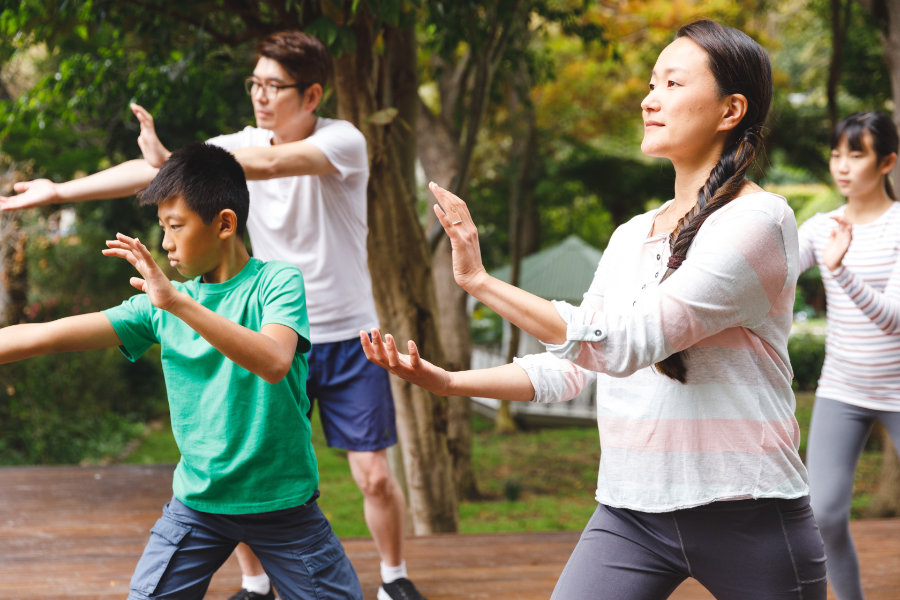
Tai Chi skill is not built through intensity, talent, or occasional inspiration. It is built through daily practice, intelligent structure, and a lifestyle that supports recovery and consistency. While Tai Chi can look effortless when performed well, that ease is the result of thousands of small, intentional repetitions accumulated over time.
This pillar page explores how Tai Chi practitioners develop real skill through routine, discipline, and sustainable lifestyle choices. Rather than focusing on isolated workouts, Tai Chi training emphasizes how you practice every day, how you manage energy, and how you allow progress to unfold without burnout.
Why Daily Practice Matters More Than Occasional Intensity
Tai Chi is a skill-based discipline. Like learning a language or musical instrument, it improves through regular exposure, not sporadic effort.
Daily practice:
- Reinforces neural pathways
- Improves coordination and balance
- Refines awareness and sensitivity
- Reduces regression between sessions
Practicing a little every day is far more effective than practicing a lot once in a while.
What an Ideal Daily Tai Chi Practice Routine Looks Like
A productive Tai Chi session does not need to be long—but it does need structure. An ideal routine balances preparation, focused practice, and integration.
A well-designed daily session often includes:
- Warm-up: Gentle joint opening and mobility
- Form practice: Slow, mindful repetition
- Mental preparation: Settling attention before movement
- Cool-down: Integrating breath and stillness
- Reflection: Brief awareness of sensations and changes
This structure helps the nervous system enter practice smoothly and exit with integration rather than fatigue.
Morning vs. Evening Practice: Choosing the Right Time
There is no universally “best” time to practice Tai Chi. The optimal time depends on goals, energy levels, and lifestyle.
Morning practice supports:
- Mental clarity and focus
- Gentle activation of the body
- Setting a calm tone for the day
Evening practice supports:
- Stress regulation
- Nervous system downshifting
- Physical release and recovery
Understanding circadian rhythm and personal energy cycles helps practitioners choose a time that supports consistency rather than forcing an idealized schedule.
How Much Tai Chi Is Enough to Make Progress?
One of the most common questions practitioners ask is how long they should practice each day. The answer depends less on duration and more on quality and consistency.
Key principles include:
- Establishing a minimum effective dose
- Prioritizing quality of attention over time spent
- Using short “micro-practice” sessions when needed
- Avoiding burnout through sustainable pacing
Even 10–20 minutes of focused daily practice can produce meaningful results over time.
Building a Tai Chi Habit That Lasts
Motivation fades. Habits endure. Long-term Tai Chi practitioners do not rely on enthusiasm alone—they design environments that support practice automatically.
Effective habit-building strategies include:
- Practicing at the same time each day
- Creating a dedicated practice space
- Using accountability systems
- Tracking progress gently, without obsession
- Adapting routines as life changes
Tai Chi practice evolves with age, schedule, and energy. Flexibility—not rigidity—is what keeps practice alive.
Why Consistency Outweighs Talent
Natural ability may create early progress, but consistency determines long-term mastery.
Consistent practice supports:
- Neural adaptation and motor learning
- Muscle memory and coordination
- Gradual refinement of subtle skills
- Confidence built through repetition
Even highly talented practitioners stagnate without consistency, while average practitioners who train regularly continue to improve for decades.
Rest and Recovery: The Missing Piece of Progress
Progress does not happen during practice alone—it happens during recovery. Tai Chi respects the nervous system’s need for integration.
Rest and recovery support:
- Nervous system recalibration
- Injury prevention
- Emotional regulation
- Improved sleep quality
- Long-term sustainability
This includes not only sleep, but also stillness practices, mindful rest days, and awareness of fatigue.
Tai Chi as a Lifestyle, Not a Workout
Tai Chi is not something you “fit in” when time allows—it becomes part of how you move, breathe, and respond throughout the day.
Over time, daily practice influences:
- Posture and movement habits
- Stress response patterns
- Emotional regulation
- Energy management
Tai Chi becomes less about doing a routine and more about living the practice.
The Long View: Progress You Can Sustain
Tai Chi rewards patience. Those who practice consistently, rest intelligently, and adapt their routines over time experience steady improvement without burnout.
A sustainable Tai Chi lifestyle:
- Values small daily efforts
- Respects the nervous system
- Allows practice to evolve
- Prioritizes longevity over intensity
This is why Tai Chi remains a practice people return to for decades—not months.
Moving Forward with Daily Practice
We invite you to deepen your Tai Chi practice through our ongoing membership and community. Whether your goal is personal health, stress resilience, or developing the skills to teach Tai Chi in the future, our program provides structured guidance, educational videos, and a supportive learning environment. You’re welcome to begin with free access to our Tai Chi Community and explore the conversations, insights, and resources available.
