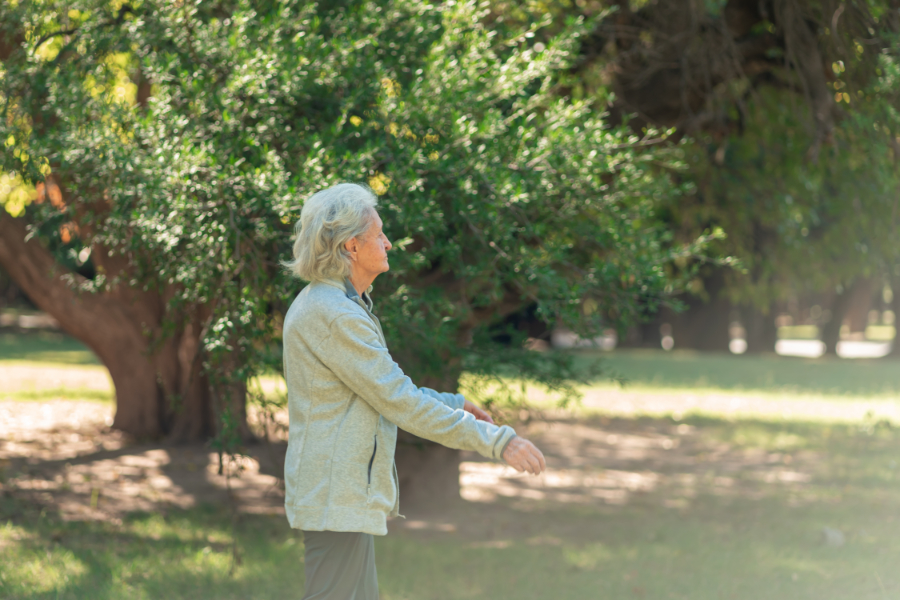
Tai Chi is often perceived as gentle, slow, and non-strenuous, leading some practitioners to believe that rest and recovery are less important than in more physically demanding disciplines. In reality, rest plays a critical role in Tai Chi skill development. Because Tai Chi works deeply with the nervous system, connective tissue, and subtle coordination, adequate recovery is not optional—it is essential. Progress emerges not only from practice itself, but from the space between practice sessions, where integration and refinement occur.
One of the most important aspects of rest in Tai Chi is nervous system recovery. Tai Chi trains awareness, balance, timing, and relaxation under movement. These qualities rely heavily on the nervous system’s ability to process sensory information and regulate muscle tone. When practice is too frequent or mentally strained, the nervous system can become overstimulated, leading to dull sensitivity, stiffness, or fatigue. Rest allows neural pathways to reorganize and strengthen, enabling smoother transitions, clearer intent, and more refined responses when practice resumes.
Closely related is the need to avoid overtraining, a concept often underestimated in internal arts. Overtraining in Tai Chi does not always show up as obvious physical soreness. Instead, it may appear as loss of relaxation, mental fog, irritability, or a feeling of heaviness in movement. Practicing through these signs can reinforce poor habits, such as excess tension or forced control. Strategic rest helps prevent this downward spiral, ensuring that practice remains aligned with Tai Chi’s core principles of ease, efficiency, and softness.
Rest in Tai Chi does not always mean complete inactivity. One of the most effective forms of recovery is integrating stillness practices. Standing meditation, seated breathing, and quiet awareness exercises allow the body to settle while maintaining connection and intent. These practices deepen internal awareness without placing demands on coordination or strength. Stillness helps practitioners sense alignment, release chronic tension, and integrate lessons from movement practice at a deeper level. In many cases, breakthroughs in form quality emerge not during movement, but during moments of quiet reflection.
Another often-overlooked factor in recovery is sleep and performance. Sleep is when the body consolidates motor learning, regulates hormones, and repairs tissues. Because Tai Chi emphasizes fine motor control and subtle shifts in balance, quality sleep directly influences progress. Poor sleep can dull proprioception, slow reaction time, and increase emotional reactivity, all of which interfere with relaxed, mindful practice. Practitioners who prioritize sleep often find that movements feel more coordinated and natural, even without increasing practice time.
Rest also supports the longevity of practice, a central value in Tai Chi tradition. Tai Chi is meant to be practiced for decades, evolving with the practitioner’s life rather than burning them out. Ignoring recovery may lead to chronic tension, joint irritation, or mental fatigue, which can shorten a practitioner’s journey. By balancing effort with rest, practitioners protect their health and preserve their enthusiasm for the art. This balance allows Tai Chi to remain a source of vitality rather than obligation.
Importantly, rest encourages a deeper understanding of Tai Chi’s philosophy. The art teaches balance between yin and yang—activity and stillness, effort and release. Rest is not a break from practice; it is part of the practice. Learning when to pause, when to soften, and when to step back mirrors the principles applied within the movements themselves. This awareness cultivates wisdom as much as skill.
In the long run, Tai Chi progress depends on rhythm rather than intensity. Consistent practice supported by adequate rest allows skills to mature organically. Movements become more efficient, the mind becomes calmer, and the body responds with greater harmony. By honoring rest and recovery, practitioners ensure that their Tai Chi remains sustainable, deeply integrated, and capable of supporting health and growth throughout a lifetime.
Dr. Daniel Hoover, DC, LAc, MH, CCSP®, integrates a rare fusion of clinical expertise and martial mastery to elevate the health of his patients and students. As a Doctor of Chiropractic, Licensed Acupuncturist, and 5th degree black belt in Shaolin Kempo, Dr. Hoover serves as the Chief Tai Chi Chuan instructor at the School of Healing Martial Arts™. His journey as an Ironman and Master Herbalist informs his unique understanding of how the body thrives under disciplined practice. To expand his impact beyond the local clinic, Dr. Hoover developed online Tai Chi courses, making these traditional healing arts accessible for any wellness journey. If you are ready to begin, we invite you to explore Tai Chi Mastery under the expert guidance of Dr. Daniel Hoover.