• Skip to main content
  • Skip to footer

SOHMA Integrative Medicine

We offer the best of Eastern & Western medicine without using drugs or surgery

  • Tai Chi
    • Tai Chi Benefits
    • Tai Chi Instructors
    • Online Tai Chi Certification Program
  • Physical Medicine
    • Chiropractic Care
      • VA Authorized Care
      • Sports Medicine
      • Digital X-Rays
    • Physiotherapy
    • Spinal Decompression
    • Laser Therapy
    • Shockwave Therapy/Piezowave
    • Cupping Therapy
    • Acupuncture
    • Herbal Pharmacy
    • VA Authorized Care
  • Blogs
  • About
    • Our Providers
    • Tai Chi Instructors
  • Contact Us

herbal pharmacy

Who Needs Herbal Medicine?

August 16, 2023 by Dr. Daniel Hoover

People have been using herbal medicine for longer than recorded history, and in recent years, it has regained much of its popularity. One of the reasons is that herbal medication is often more affordable and easier to obtain when compared to modern pharmaceuticals. 

While modern medicine is meant to suppress the symptoms of whatever they are attempting to treat, herbal medicine attempts to find the root cause of your condition. They are creating a  personalized treatment plan that is unique to each individual.

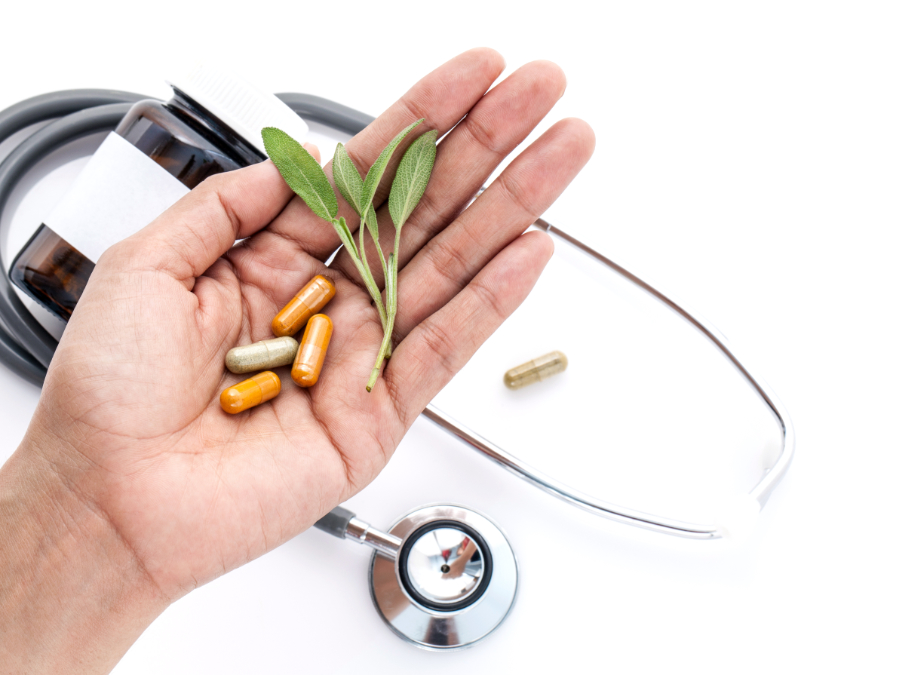
Although natural and generally safe, you should always ask your primary care provider and herbal pharmacist before starting a treatment plan.

Join us as we go over who needs herbal medicine and how it benefits your wellness.

Preventive Care

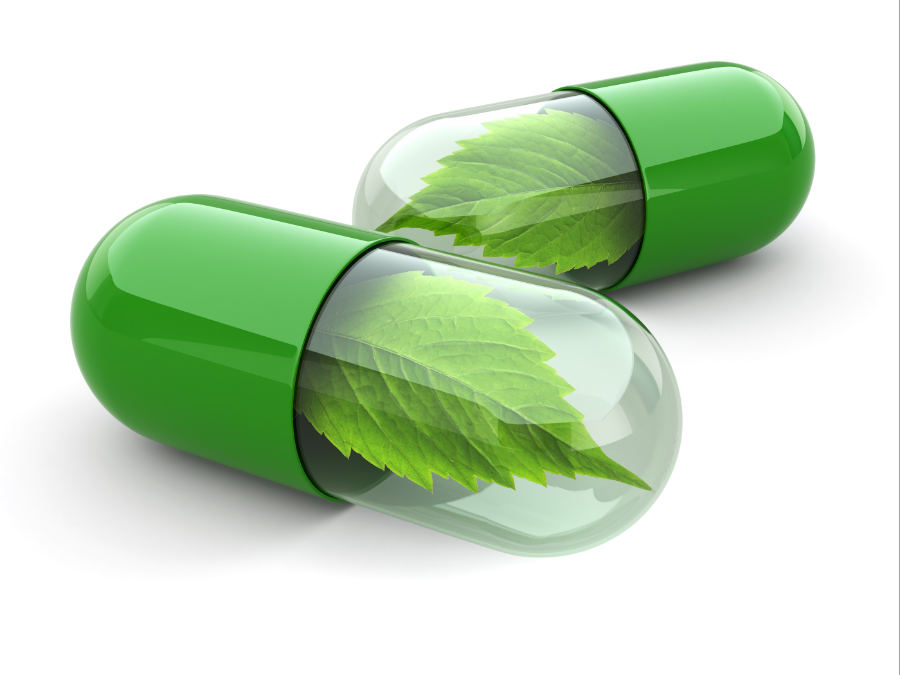
Herbal medicine is a fantastic choice for those searching for preventative care. Ensuring our strong and healthy immune system has become a major priority in recent years. You can take herbal supplements in capsules for your immunity as long as you purchase from a reputable herbal pharmacy. Unfortunately, due to relaxed regulations on herbal supplements, some companies take advantage of patients by selling products that are less potent than described or potentially contaminated.

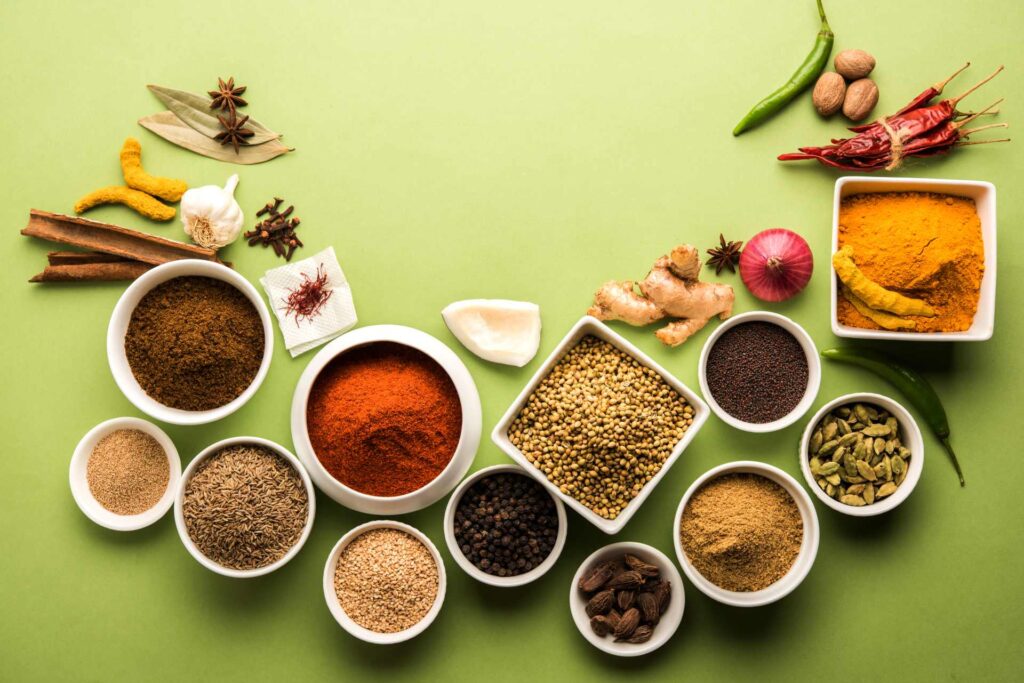
If you don’t have access to a reputable source, a healthy diet incorporating many medicinal herbs and spices is a great way to help improve your immune system’s health. Turmeric, ginger, garlic, cinnamon, and spearmint are commonly found in supermarkets and can add flavor to your dishes and support your immune system.

Digestive Disorders

Digestive issues are often seen as embarrassing and awkward. However, sometimes we’ll eat something that doesn’t agree with our stomachs, or we can’t eat a balanced meal due to stress. This can often lead to symptoms such as:

  • Nausea
  • Gastroesophageal Reflux Disease 
  • Upset Stomach
  • Diarrhea
  • Heartburn
  • Constipation

Luckily, there are many natural herbs to help manage these issues. Ginger is known to help with nausea and bloating. The flower of the dandelion plant can be used to improve an upset stomach, while the herb’s root can be used as a mild diuretic to improve digestion. The oils in a peppermint plant can help with irritable bowel syndrome (IBS). Green tea contains high levels of polyphenols, catechins, and antioxidants. These can help to soothe stomach aches and aid in digesting.

Alternative to pharmaceuticals

Headaches and Migraines

Nearly everyone has had to deal with a headache, and while NSAIDs like ibuprofen, acetaminophen, and naproxen are common over-the-counter medicines that can help reduce pain, relying on them too often can lead to dependency. 

Herbs like feverfew and butterbur are excellent choices to help with headaches and migraines. Feverfew and butterbur are effective herbs against migraines due to their anti-inflammatory properties. Lavender and peppermint oils have calming properties, which can help to reduce tension when applied to the skin. A warm cup of chamomile tea also has soothing qualities to help alleviate some of the stress causing your headaches.

Holistic Approaches to Wellness

Herbal medicine approaches health holistically, addressing not only the physical symptoms but also the underlying problems and attempting to find the root cause, whether physical, mental, emotional, or spiritual. Herbal medicine attempts to heal the body naturally. People looking for a more holistic perspective on health and wellness may find herbal medicine appealing. 

Discussing any herbal treatment with your primary care provider and your herbalist if you are taking medication is essential. Mixing medications and herbs can have adverse reactions.

Take the Next Step In Improving Your Health by Contacting SOHMA Integrative Medicine

Our goal is to help you improve your health. You can contact us and ask about the Myers Cocktail, IV Therapy, Chiropractic care, or how our other health service lines can help you with your journey to improved health. 

Located in Long Beach, CA, we help individuals from the surrounding cities.

We look forward to helping you take the next step to better health.
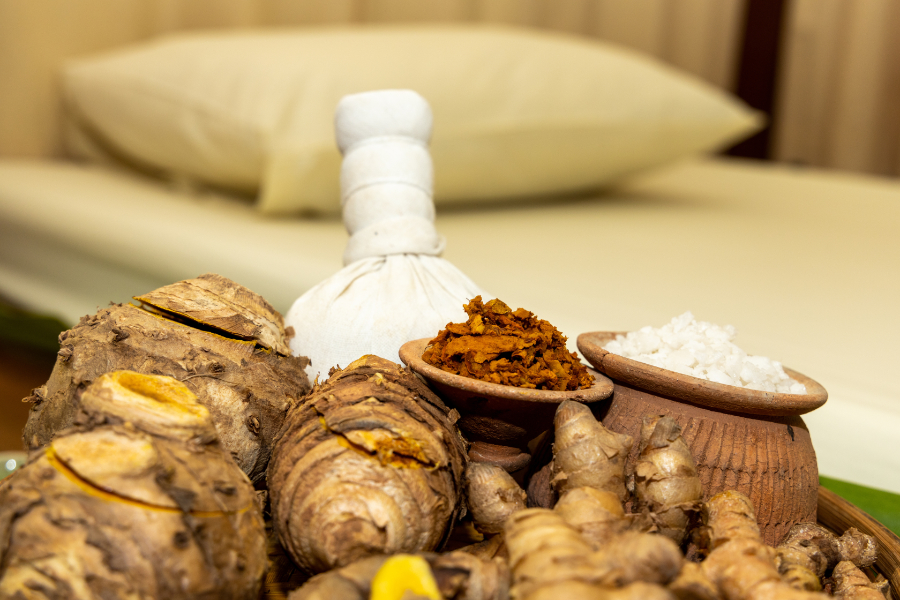
Filed Under: Herbs Tagged With: herbal pharmacy

How Does Herbal Therapy Complement Other Therapies?

June 15, 2023 by Dr. Daniel Hoover

In recent years, herbal therapy has gained popularity due to the increasing interest in alternative medicine. Herbal supplements tend to be more affordable and accessible compared to pharmaceuticals. However, it is important to be careful where you source your herbal products, as they are not subject to the same rigorous testing as modern medications.

Herbal therapy uses plants and plant-based supplements to promote wellness and is often used to aid with various conditions. While herbal therapy can be beneficial on its own, its benefits can be enhanced when combined with other therapies.

Join me as we explore what herbal therapy is and what other therapies complement it to provide a holistic approach to health and wellness.

What is Herbal Therapy

Herbal therapy, also known as herbal medicine, is a holistic approach to health and wellness that uses plants’ natural and beneficial properties. Using herbs, flowers, roots, and bark, it is used to address specific conditions. Herbs have been used for centuries for their therapeutic effects and are some of human history’s oldest forms of medicine. Herbal supplements can be prepared as consumables, creams, or powders. Much like modern medicine, herbal supplements can be consumed orally or used topically, such as in creams and balms. The benefits of some herbs can be felt by simply smelling them. Herbs can work synergistically with the body to aid natural healing processes.

The herbs used in herbal therapy can be unique and exotic, like ginkgo biloba and st. John’s wort, or are herbs commonly found in a kitchen and used for cooking, garlic, and rosemary. Plants like aloe vera and lavender have beneficial properties. The goal of herbal therapy is to find the root cause of your ailment to restore balance and alleviate symptoms.

Acupuncture

Herbal therapy can be combined with acupuncture. Acupuncture is an ancient Chinese practice involving the insertion of needles as thin as hair into specific points on the body. Herbal therapy can be used to provide a stronger intervention targeting organs, systems, or conditions. When combining the two practices, you create an all-natural holistic approach to healing. Each is uniquely made for every individual health concern.

Massage Therapy

Massage therapy can help by manipulating the body’s soft tissues to help ease pain and reduce stress. When getting a massage, herbal oils and balms can be included in massage therapy sessions. This creates a massage therapy that is enriched with aromatherapy. It can then greatly enhance the relaxation from the massage therapy session. As well as relieving muscle tension and promoting healing. Aromatherapy may help improve overall mental and physical wellness. 

Chiropractic Care

Herbal therapy can help support chiropractic treatments. Chiropractic care focuses on spinal alignment and nervous system health. When combined with herbal therapy, it can help address underlying inflammation. This can make adjustments and manipulation of the joints easier for the chiropractor. This, in turn, can make patients feel more at ease and less pain going into a session. Much like with massages, a chiropractor can use balms or ointments made from herbal supplements on the skin’s surface to help alleviate tension and relax the muscles. It can also be used as aromatherapy which may help accelerate healing and relaxation.

Take the Next Step In Improving Your Health by Contacting SOHMA Integrative Medicine

Our goal is to help you improve your health. You can contact us and ask about the Myers Cocktail, IV Therapy, Chiropractic care, or how our other health service lines can help you with your journey to improved health. 

Located in Long Beach, CA, we help individuals from the surrounding cities.

We look forward to helping you take the next step in your journey to better health.

Filed Under: Herbs, Therapy Tagged With: herbal pharmacy, herbal therapy, SOHMA Interactive Medicine

What Herbs are Proven Effective by the Department of Health?

September 30, 2022 by Dr. Daniel Hoover

Herbs were the first medicine used by people. For thousands of years herbs have been used to treat illnesses and ailments. In modern history pharmaceuticals have replaced herbal remedies. Although many pharmaceuticals used now were derived from herbs or mimic the the benefits of herbs. In more recent times herbal medicine and supplements have made a bit of a resurgence. For a variety of reasons including them being more affordable, and easier to obtain compared to their pharmaceutical counterparts.

Today we’ll go over 10 medical plants endorsed by the Department of Health (DOH). These have been scientifically validated to ensure their safety and efficacy.

What is Herbal Medicine?

First let’s understand what herbal medicine is.

Herbal medicine is a product made from plant leaves, roots, seeds, berries, bark or flowers that are useful in treating disease or maintaining health. When the herbal medicine is taken by mouth it is called an herbal supplement. 

Although many herbs and supplements sold in stores are considered safe, it’s highly recommended that you consult an herbalist who can direct you to high quality supplements. Most herbal supplements aren’t regulated as strictly as pharmaceuticals. This can result in a contaminated product or a product that isn’t as potent as described on the label. Consulting an herbalist will also shed light on any adverse reactions herbal supplements may have with medicine you may be taking.

10 Medicinal Plants Endorsed by the DOH-PITAHC

Akapulko

The akapulko plant commonly known as Senna or Ringworm Bush is a small tree known to contain chrysophanol acid. Chrysophanol acid has been shown to be effective when treating conditions such as scabies, eczema, insect bites and other skin infections.

Ampalaya

Also known as Bitter Melon, has been used in China for centuries for medicine and cooking. The leaves of the ampalaya plant have been used to lower blood sugar levels. Though blood sugar levels should be monitored regularly to avoid any complications.

Bawang

A Philippine variety of garlic has been known and used during World War II because of its antibacterial properties. Garlic contains a compound known as allicin which acts as an antiseptic. The leaves and bulbs can also be used to lower blood cholesterol levels.

Bayabas

Commonly known as Guava, these fruit trees can be seen in many homes in southern California. The fruit can be eaten as a snack, but can also help with diarrhea. While the leaves can be used as an antiseptic.

Lagundi

The leaves from the Lagundi tree also known as Five-leaved chaste tree have been shown to prevent the body from producing leukotrienes. Leukotrienes are released when having an asthma attack. It can also be used to treat coughs, the common cold and fevers.

Niyog-niyogan

Also called Chinese honeysuckle, the Niyog-Niyogan’s leaves can be applied to the head to relieve headaches. While the seeds can be taken as an  anthelmintic.

Sambong

The sombong leaves and flowers are used for a variety of conditions including fever, choughs and headaches. It can also be used as a diuretic, and it can dissolve kidney stones. 

Tsaang-gubat

Also called wild tea or scorpion bush, in folkloric medicine the leaves have been used to treat diarrhea. In recent years, products made by Tsaang-gubat  can help with gastroenteritis. Or tea can be made and gargled to prevent cavities.

Ulasimang bato

Also known as peperomia pellucida, the ulasimang bato is a small herb with heart shaped leaves known for its analgesic properties. The leaves can be made into an infusion or salad to help relieve pain caused by gout or rheumatic pains. It can also be used topically for boils and abscesses.

Yerba Buena 

Commonly known as peppermint, yerba buena has been used for centuries as tea and as a pain reliever. It is still drunk as a tea to reduce cough, nausea, and dizziness. It’s also used to reduce pain and pruritus which is an uncomfortable sensation of itchiness.

Take the Next Step In Improving Your Health by Contacting SOHMA Integrative Medicine

Our goal is to help you improve your health. You can reach out to us and ask us about the Myers Cocktail, IV Therapy, Chiropractic care, or how our other health service lines can help you with your journey to improved health. 

Located in Long Beach, CA we help individuals from the surrounding cities.

We look forward to helping you take the next step in your journey to better health.

Filed Under: Herbs, Therapy Tagged With: Herbal medicine, herbal pharmacy, Herbal Preparation, herbal therapy, Herbs, lakewood herbal therapy, long beach herbal therapy, sohma herbal therapy, SOHMA Interactive Medicine, SOHMA Interactive Medicine Pain, SOHMA Long Beach

What Diseases are Treated with Herbs?

September 23, 2022 by Dr. Daniel Hoover

Medicinal Herbs
Medicinal herbs can sometimes help treat diseases.

Herbs have been used as treatment for diseases and ailments for centuries around the world. Today, the popularity of herbal medicine has increased, many Americans have chosen to seek herbal medicine for treatment due to it being more affordable and easier to obtain compared to its pharmaceutical counterparts. 

But what diseases are treated with herbs? 

What should I keep in mind when looking for herbal treatment for my condition?

Join me as we discover the answers to these questions and more.

What is an Herbal Supplement?

When a product is made for internal use with plants, roots or any other botanical to maintain health or treat a condition it is known as an herbal supplement. Though you need to practice precaution when looking for herbal supplements on your own. Just because a product is labeled as “natural” it doesn’t necessarily mean the product is safe for consumption.

Unfortunately herbal medicine and supplements do not go through the same testing that pharmaceuticals go through. Even when many over the counter medicine is derived from herbs,  herbal supplements themselves aren’t regulated as strictly. If you are thinking about using herbal medicine as a treatment, be sure to consult your herbal pharmacist. They should be able to either supply reliable herbal medicine or show you what brands are reputable and safe. At SOHMA Integrative Medicine in Long Beach, we only carry hand selected herbal supplements that are held to the highest standards of quality and reliability.

Herbal supplements can be produced in many forms, and can be used in a variety of ways such as:

  • Pills
  • Powders
  • Teas
  • Tinctures
  • Gels
  • Lotions
  • Bath Additives

Herbal supplements aren’t for everyone. If you are unsure if you should begin treatment with herbal supplements, first consult with an herbal pharmacist. Some herbal medicines can have adverse reactions with prescribed pharmaceuticals.

What can Herbal Medicine Treat?

Although self diagnosis is highly discouraged, some herbs tend to be common treatment options for certain diseases. These include:

Aloe Vera

Used as a gel topically aloe vera can treat burns, psoriasis and osteoarthritis. It can also be consumed orally to treat digestive issues like constipation and gastritis. 

Aloe vera leaves contain latex which can lead to allergic reactions causing rashes, burning sensation and irritation. When consumed aloe vera may cause your blood sugar levels to drop and its laxative effects can lead to dehydration.

Black Cohosh

Black cohosh is used to treat symptoms of menopause including hot flashes and nightsweats.

Side effects are mild but include: nausea, skin rashes, muscle pain, breast pain or bleeding outside of your menstrual cycle.

Echinacea

Also known as the purple coneflower, echinacea is used as a preventative against the common cold and flu. It is also used to boost the body’s immune system.

Common side effects include: nausea,vomiting, sore throat, drowsiness and headaches.

Evening Primrose

Oil derived from evening primrose can be used for breast pain, arthritis and reducing symptoms of premenstrual syndrome (PMS)

Side effects are extremely rare however, allergic reactions can happen including: rashes, itching, swelling, dizziness and difficulty breathing. If you notice any of these symptoms seek immediate medical care.

Feverfew

Used as a pain reliever, good for headaches and menstrual cramps.

Mild side effects may include: canker sores, constipation, indigestion, nausea and diarrhea.

Flaxseed

An excellent source of fiber and omega 3 fatty acids, flaxseed can also be used to lower cholesterol.

When consuming flaxseed oil it can cause diarrhea. Other side effects include bloating, stomach ache, constipation and gas.

Garlic

While also used in the kitchen, garlic is generally used to lower cholesterol levels and improve heart health.

When consumed as a supplement garlic can have mild side effects like: bad breath and body odor, diarrhea, stomach aches and indigestion.

Ginkgo Biloba

Typically used to help older adults with conditions associated with aging, it can also be used for anxiety, depression, headaches and poor blood circulation.

Common side effects include: nausea, vomiting, diarrhea, dizziness, headaches, stomach aches and insomnia.

Green Tea

One of the most commonly consumed drinks in the world, green tea can boost energy levels, lower cholesterol and help lose weight.

Consuming green tea late in the day can cause insomnia and restlessness when trying to sleep. When brewed too strongly, green tea can cause stomach irritation. Other side effects include anemia, iron deficiency, headaches and dizziness.

St. John’s Wort

Commonly used to treat anxiety, insomnia and depression.

Side effects are rare, but can be serious. These include: dark stool, bruising, bleeding, or vomit containing black particles. Stop taking St. John’s wort and seek medical attention if you notice any of these side effects.

This list is only meant to be informational and should not be used to self diagnose. Many herbal supplements may have adverse reactions to prescribed pharmaceuticals, take precaution and speak with your herbal pharmacist and primary care provider if you feel like beginning an herbal treatment for your condition.

Take the Next Step In Improving Your Health by Contacting SOHMA Integrative Medicine

Our goal is to help you improve your health. You can reach out to us and ask us about the Myers Cocktail, IV Therapy, Chiropractic care, or how our other health service lines can help you with your journey to improved health. 

Located in Long Beach, CA we help individuals from the surrounding cities.

We look forward to helping you take the next step in your journey to better health.

Filed Under: Herbs, Therapy Tagged With: Herbal medicine, herbal pharmacy, herbal therapy, lakewood herbal therapy, sohma herbal therapy, SOHMA Interactive Medicine

What are the 7 Most Common Questions You Should Ask Every Herbalist?

September 14, 2022 by Dr. Daniel Hoover

Herbalists can be a great source for an initial treatment.

Herbs have been used to cure and treat ailments for thousands of years. Although they fell out of favor after pharmaceuticals were invented, in recent times herbal remedies have become popular again due to the affordability and ease of access compared to typical pharmaceuticals. 

The intention for herbalists is to find the root cause of your condition, and develop a treatment option individually designed for each patient. An herbalist will choose herbs based on physical, and mental health as well as the symptoms described by the patient during the consultation.  

Before deciding to proceed with an herbal treatment you may have some questions for your herbalist. Below we compiled the top 7 questions you should be asking every herbalist.

Do you Have an Herb for my Particular Condition?

Every person is different, and much like each person, the remedy can be varied. Many conditions can be treated with herbs, in some cases there are many herbs that can treat the same condition. With few exceptions your herbalist should be able to provide the best protocol to alleviate your condition.  

Does Herbal Medicine Work?

Of course.

Like previously stated, herbal remedies have been used for thousands of years. Herbs contain naturally occurring chemicals which can work similarly to general pharmaceutical medicine. Herbal medicine, when used while living a healthy lifestyle can be a powerful and effective treatment.

Why do you Need to Know if I’m Taking any Medication?

During your consultation with your herbalist, they will likely ask about other medicines you may be taking. They’re not trying to be nosy, in fact it’s incredibly important for developing a treatment that won’t work against the medicine you’re taking, or cause extreme side effects. As an example ginkgo biloba which is used to treat circulatory and respiratory conditions can cause severe bleeding when combined with aspirin or warfarin. 

How Long Do I Have to Take These Herbs for?

Herbal medicine takes time to show results. Herbal medicine is used to attempt to reach the root of the problem, not just cover up symptoms. Typically 2-3 weeks is needed to begin to see significant improvement. The longer you take herbal medicine the stronger the effects can become in the body.

I Read that this Herb can work, Why not use that?

Although we all have all the world’s information at the palm of our hands, an herbalist will be able to determine whether or not an herb will have the same effect as the example you may have found online. It’s their job to discover the right protocol for your condition. Each body is unique, your herbalist will have to work closely with you especially if you’re currently taking prescribed medication.

I Cook with that, how is it Going to Help my Condition?

Well, why not both?

Just because you use  garlic, turmeric and spearmint in cooking doesn’t take away from their natural healing abilities. Garlic is a great seasoning for many dishes, but it’s reported to increase cardiovascular health by regulating blood pressure and lowering blood sugar. Turmeric can reduce inflammation caused by arthritis, improve liver health and be used in curry. Whereas spearmint is great for teas while being used for digestive disorders like gas, diarrhea nausea among others.

Can you Teach me to Make my own Herbal Medicine?

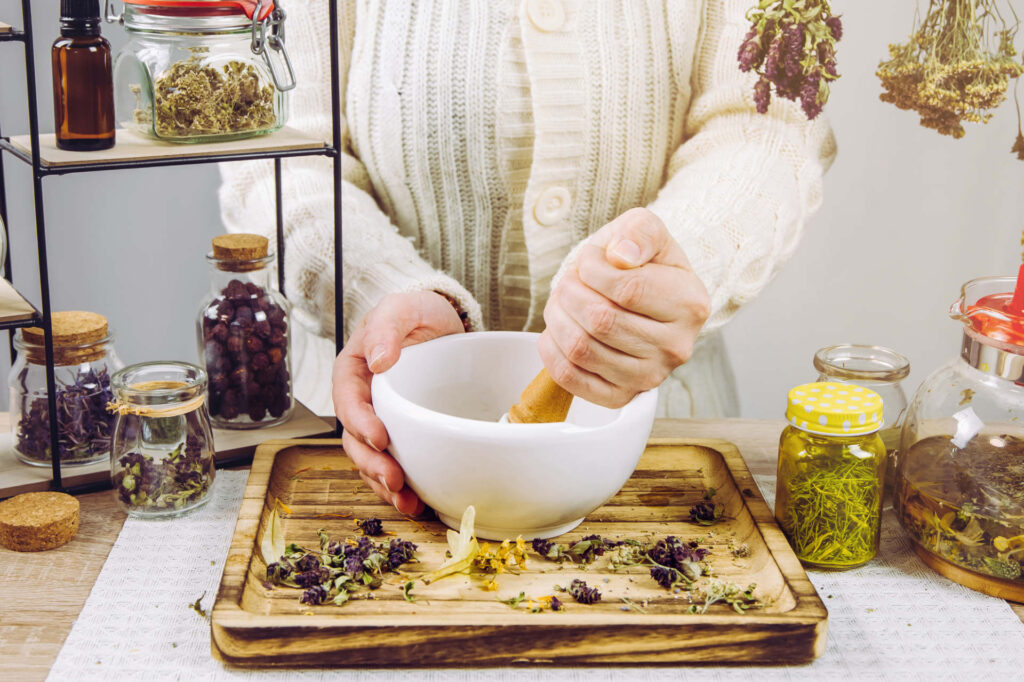
Although it is possible to learn and become an herbalist yourself, good quality herbal medicine needs to be grown and processed carefully to avoid contamination. Even though you may be able to grow some of the herbs yourself in your garden, there may be some plants or trees that aren’t easily available to procure. Others may be simply too difficult to grow making some homemade remedies difficult to know whether or not you’re getting the appropriate dose. 

Take the Next Step In Improving Your Health by Contacting SOHMA Integrative Medicine

Our goal is to help you improve your health. You can reach out to us and ask us about the Myers Cocktail, IV Therapy, Chiropractic care, or how our other health service lines can help you with your journey to improved health. 

Located in Long Beach, CA we help individuals from the surrounding cities.

We look forward to helping you take the next step in your journey to better health.

Filed Under: Herbs Tagged With: Herbal medicine, herbal pharmacy, herbal therapy, SOHMA Interactive Medicine, SOHMA Long Beach

  • Page 1
  • Page 2
  • Page 3
  • Go to Next Page »

Footer

Contact Us

SOHMA Integrative Medicine – Long Beach

Email
drdanielhoover@sohma.org

Follow Us on Instagram Instagram


WCAG

The Web Content Accessibility Guidelines (WCAG) defines requirements for designers and developers to improve accessibility for people with disabilities for websites, such as for SOHMA Integrative Health Center. It defines three levels of conformance: Level A, Level AA, and Level AAA. SOHMA is partially conformant with WCAG 2.1 level AA. Partially conformant means that some parts of the content do not fully conform to the accessibility standard.

Our goal here at SOHMA is to make our website accessible to all visitors; unfortunately, our goal for 100% accessibility is not yet complete. Our goal is to provide universal access to our website by following WCAG 2.0 (current WCAG 2.1) A, AA guidelines; however, this will be a work in progress.

Feedback

We welcome your feedback on the accessibility of SOHMA’s website. Please let us know if you encounter accessibility barriers on our website. We are here to help. You can reach us below at:

  • Email: assistant@sohma.org

  • Location: 2041 East St, Suite 1453, Concord, California, 94520, US

We try to respond to feedback within 5 business days.

SOHMA Integrative Medicine

Connect With Us

VA Authorized

SOHMA | Privacy Policy | Copyright © 2026

Designed by ITSOPRO