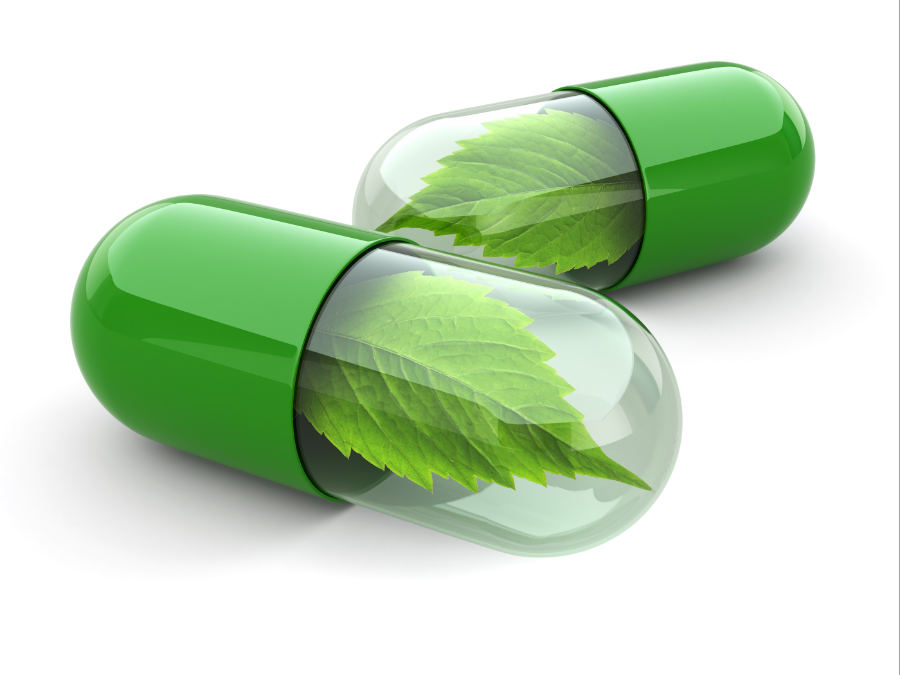
Herbs were the first medicine used by people. For thousands of years herbs have been used to treat illnesses and ailments. In modern history pharmaceuticals have replaced herbal remedies. Although many pharmaceuticals used now were derived from herbs or mimic the the benefits of herbs. In more recent times herbal medicine and supplements have made a bit of a resurgence. For a variety of reasons including them being more affordable, and easier to obtain compared to their pharmaceutical counterparts.
Today we’ll go over 10 medical plants endorsed by the Department of Health (DOH). These have been scientifically validated to ensure their safety and efficacy.
What is Herbal Medicine?
First let’s understand what herbal medicine is.
Herbal medicine is a product made from plant leaves, roots, seeds, berries, bark or flowers that are useful in treating disease or maintaining health. When the herbal medicine is taken by mouth it is called an herbal supplement.
Although many herbs and supplements sold in stores are considered safe, it’s highly recommended that you consult an herbalist who can direct you to high quality supplements. Most herbal supplements aren’t regulated as strictly as pharmaceuticals. This can result in a contaminated product or a product that isn’t as potent as described on the label. Consulting an herbalist will also shed light on any adverse reactions herbal supplements may have with medicine you may be taking.
10 Medicinal Plants Endorsed by the DOH-PITAHC
Akapulko
The akapulko plant commonly known as Senna or Ringworm Bush is a small tree known to contain chrysophanol acid. Chrysophanol acid has been shown to be effective when treating conditions such as scabies, eczema, insect bites and other skin infections.
Ampalaya
Also known as Bitter Melon, has been used in China for centuries for medicine and cooking. The leaves of the ampalaya plant have been used to lower blood sugar levels. Though blood sugar levels should be monitored regularly to avoid any complications.
Bawang
A Philippine variety of garlic has been known and used during World War II because of its antibacterial properties. Garlic contains a compound known as allicin which acts as an antiseptic. The leaves and bulbs can also be used to lower blood cholesterol levels.
Bayabas
Commonly known as Guava, these fruit trees can be seen in many homes in southern California. The fruit can be eaten as a snack, but can also help with diarrhea. While the leaves can be used as an antiseptic.
Lagundi
The leaves from the Lagundi tree also known as Five-leaved chaste tree have been shown to prevent the body from producing leukotrienes. Leukotrienes are released when having an asthma attack. It can also be used to treat coughs, the common cold and fevers.
Niyog-niyogan
Also called Chinese honeysuckle, the Niyog-Niyogan’s leaves can be applied to the head to relieve headaches. While the seeds can be taken as an anthelmintic.
Sambong
The sombong leaves and flowers are used for a variety of conditions including fever, choughs and headaches. It can also be used as a diuretic, and it can dissolve kidney stones.
Tsaang-gubat
Also called wild tea or scorpion bush, in folkloric medicine the leaves have been used to treat diarrhea. In recent years, products made by Tsaang-gubat can help with gastroenteritis. Or tea can be made and gargled to prevent cavities.
Ulasimang bato
Also known as peperomia pellucida, the ulasimang bato is a small herb with heart shaped leaves known for its analgesic properties. The leaves can be made into an infusion or salad to help relieve pain caused by gout or rheumatic pains. It can also be used topically for boils and abscesses.
Yerba Buena
Commonly known as peppermint, yerba buena has been used for centuries as tea and as a pain reliever. It is still drunk as a tea to reduce cough, nausea, and dizziness. It’s also used to reduce pain and pruritus which is an uncomfortable sensation of itchiness.
Take the Next Step In Improving Your Health by Contacting SOHMA Integrative Medicine
Our goal is to help you improve your health. You can reach out to us and ask us about the Myers Cocktail, IV Therapy, Chiropractic care, or how our other health service lines can help you with your journey to improved health.
Located in Long Beach, CA we help individuals from the surrounding cities.
We look forward to helping you take the next step in your journey to better health.
