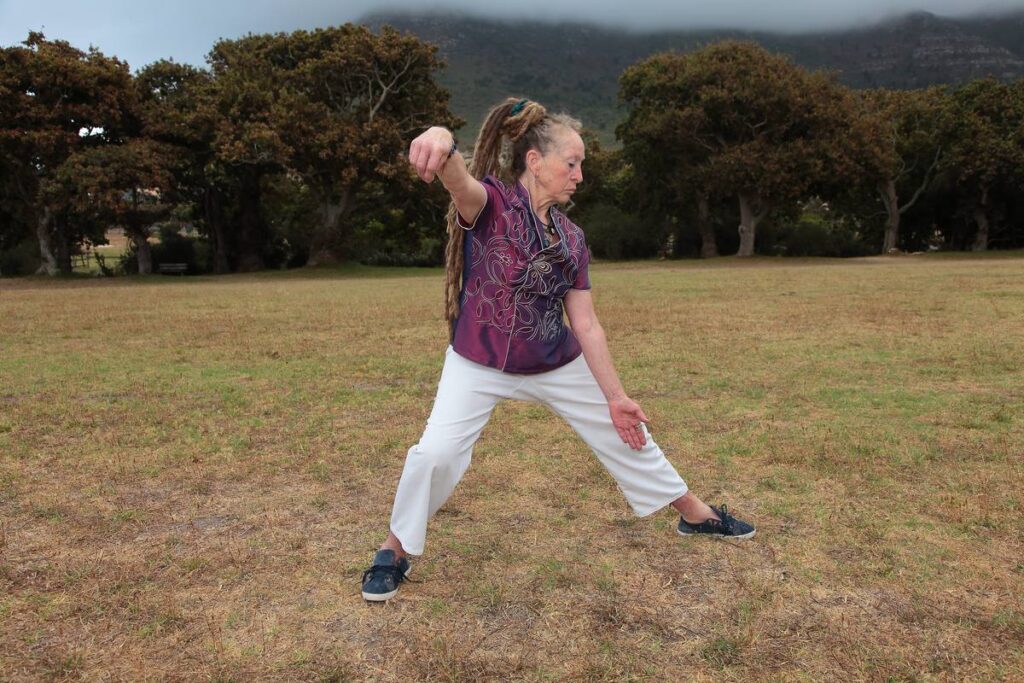
Tai Chi is often described as a universal practice, and for good reason. Tai Chi adapts to different bodies, during different life stages, and different goals without losing its essence. While Tai Chi is universally accessible, men and women often come to the practice with different physical demands and priorities. Rather than treating these differences as limitations, Tai Chi works with them, supporting everything from strength, and stability, to recovery, and resilience in ways that evolve over time.
This pillar page explores how Tai Chi supports men and women across age and circumstance, tying together joint health, hormonal balance, injury recovery, functional strength, and healthy aging into one integrated system.
Why Tai Chi Works Across Genders and Life Stages
Tai Chi does not rely on peak athleticism, speed, or brute force. Instead, it develops qualities that matter throughout life such as:
- Structural strength without joint strain
- Nervous system regulation
- Balance and coordination
- Posture
- Stress reduction
- Sustainable movement habits
Because Tai Chi trains how the body moves and not how hard, it adapts naturally to different needs without needing to be “watered down.”
Tai Chi Skills That Support Women at Any Age
Women often seek movement practices that support joint health, stress resilience, and strength without excessive impact or bulk. Tai Chi meets these needs by emphasizing alignment, coordination, and internal support. Key benefits for women include:
- Improved joint mobility
- Improved connective tissue health
- Support for hormonal balance through stress regulation
- Strength development without muscle bulk
- Enhanced posture
- Body confidence
- Greater emotional resilience
Tai Chi’s slow, integrated movements strengthen the body while reducing wear and tear, making it especially valuable across changing life stages.
Supporting Women Through Midlife Transitions
Midlife brings unique challenges for many women, including hormonal shifts, and changes in energy levels. Tai Chi offers a stabilizing practice that supports both body and nervous system during these transitions. Tai Chi supports women’s midlife health by:
- Regulating the nervous system
- Reducing chronic stress
- Improving balance
- Supporting bone density
- Stabilizing mood
- Helping manage fluctuating energy levels
- Providing sustainable, low-impact fitness
Rather than pushing harder during a time of change, Tai Chi teaches women how to move more intelligently and recover more effectively.
Tai Chi Skills for Men Seeking Strength and Stability
Many men are drawn to fitness practices that promise power and performance, these often come at the cost of joint health and long term sustainability. Tai Chi offers a different model for strength as it helps men develop:
- Functional, whole-body strength
- Core integration
- Joint protection under load
- Balance during movement
- Stability during movement
- Longevity-focused fitness
Tai Chi integrates the two, building resilience and strength that supports work, sport, and daily life.
Tai Chi for Men Recovering from Injury or Burnout
Injury and burnout often force men to confront the limits of high intensity training. Tai Chi provides a recovery oriented approach that does not require stopping movement altogether. Tai Chi supports recovery by offering:
- Low-impact movement that protects healing tissues
- A chance for the nervous system to reset after prolonged stress
- Gradual restoration of mobility and coordination
- Improved mental focus and emotional regulation with consistent practice
Because Tai Chi prioritizes efficiency over effort, it allows recovery without regression.
Aging Powerfully: Shared Benefits for Men and Women
As men and women age, their needs begin to overlap more than they differ. Balance, joint longevity, cognitive clarity, and emotional regulation become central priorities for everyone.
Tai Chi supports healthy aging by:
- Reducing fall risk through improved balance
- Maintaining joint health and range of motion
- Supporting cognitive function
- Regulating emotions
- Regulating stress responses
Rather than fighting aging, Tai Chi teaches practitioners how to age with capability and confidence.
One Practice, Many Entry Points
What makes Tai Chi unique is that it not only changes for men and women, it meets each practitioner where they are individually. For women, it supports resilience, mobility, and balance through life transitions. For men, it develops strength, stability, and recovery without burnout. For both, it offers a path toward longevity, calm, and functional movement.
Tai Chi rewards consistency, awareness, and intelligent effort.
Tai Chi as a Lifelong Companion
Tai Chi is not a temporary solution, it is a lifelong practice. As the body changes, the practice evolves, continuing to offer challenge, support, and refinement.
Across decades of practice, Tai Chi becomes less about achievements and pushing the limits and more about efficiency and sustaining health.
Choosing Tai Chi for Strength, Recovery, and Longevity
Whether your goal is to:
- Build strength without strain
- Recover from stress or injury
- Navigate midlife changes
- Stay active and balanced as you age
Tai Chi offers a proven, adaptable system that supports men and women alike, without forcing the body into patterns it cannot sustain.
Dr. Daniel Hoover, DC, LAc, MH, CCSP®, integrates a rare fusion of clinical expertise and martial mastery to elevate the health of his patients and students. As a Doctor of Chiropractic, Licensed Acupuncturist, and 5th degree black belt in Shaolin Kempo, Dr. Hoover serves as the Chief Tai Chi Chuan instructor at the School of Healing Martial Arts™. His journey as an Ironman and Master Herbalist informs his unique understanding of how the body thrives under disciplined practice. To expand his impact beyond the local clinic, Dr. Hoover developed online Tai Chi courses, making these traditional healing arts accessible for any wellness journey. If you are ready to begin, we invite you to explore Tai Chi Mastery under the expert guidance of Dr. Daniel Hoover.